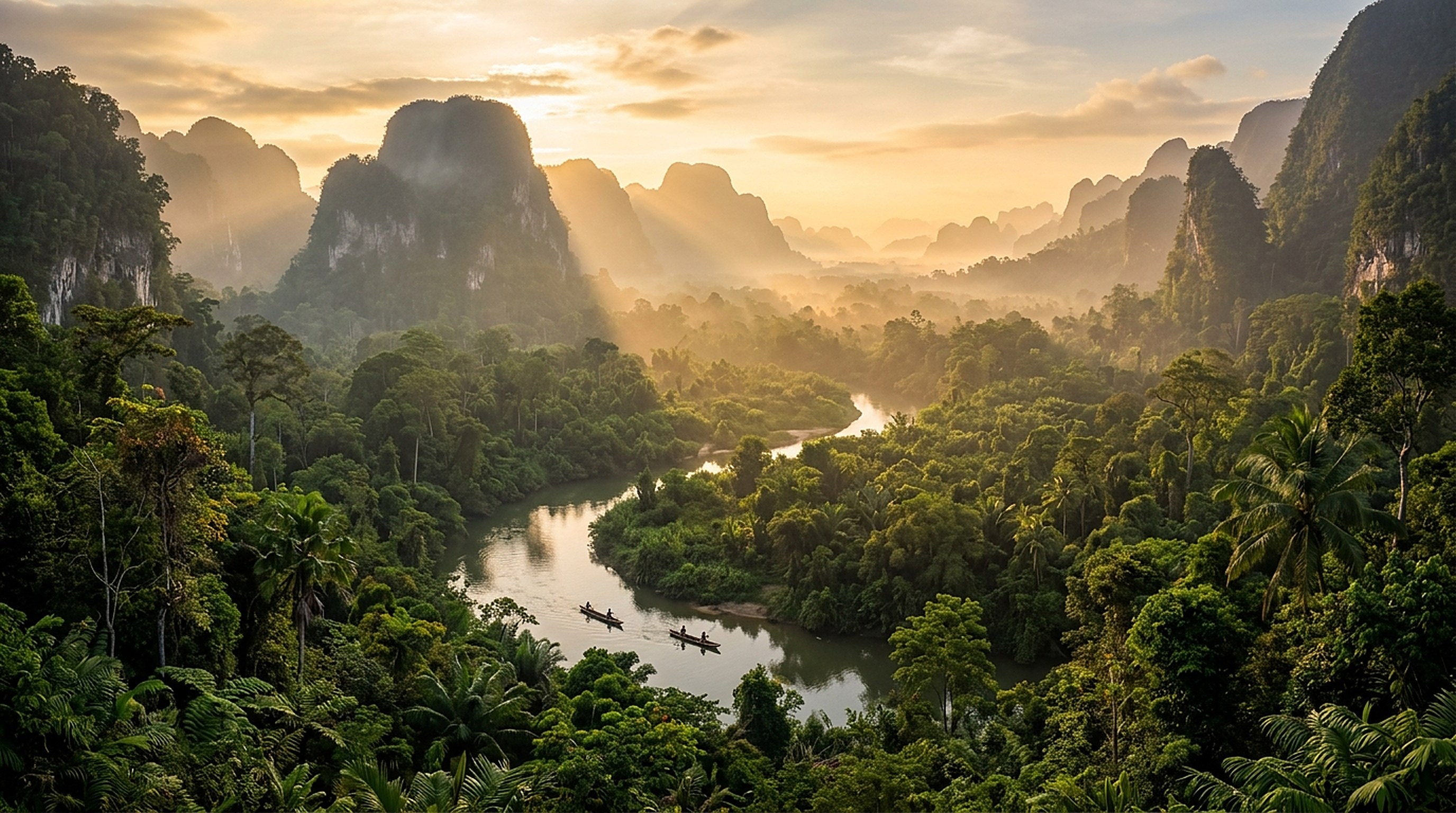
What if care is the oldest root of being human? Thirty-one thousand years ago, in a cave in the mountains of Borneo, a community performed the oldest known successful major operation and nursed a child back to life over the decade that followed. This is where compassion begins.
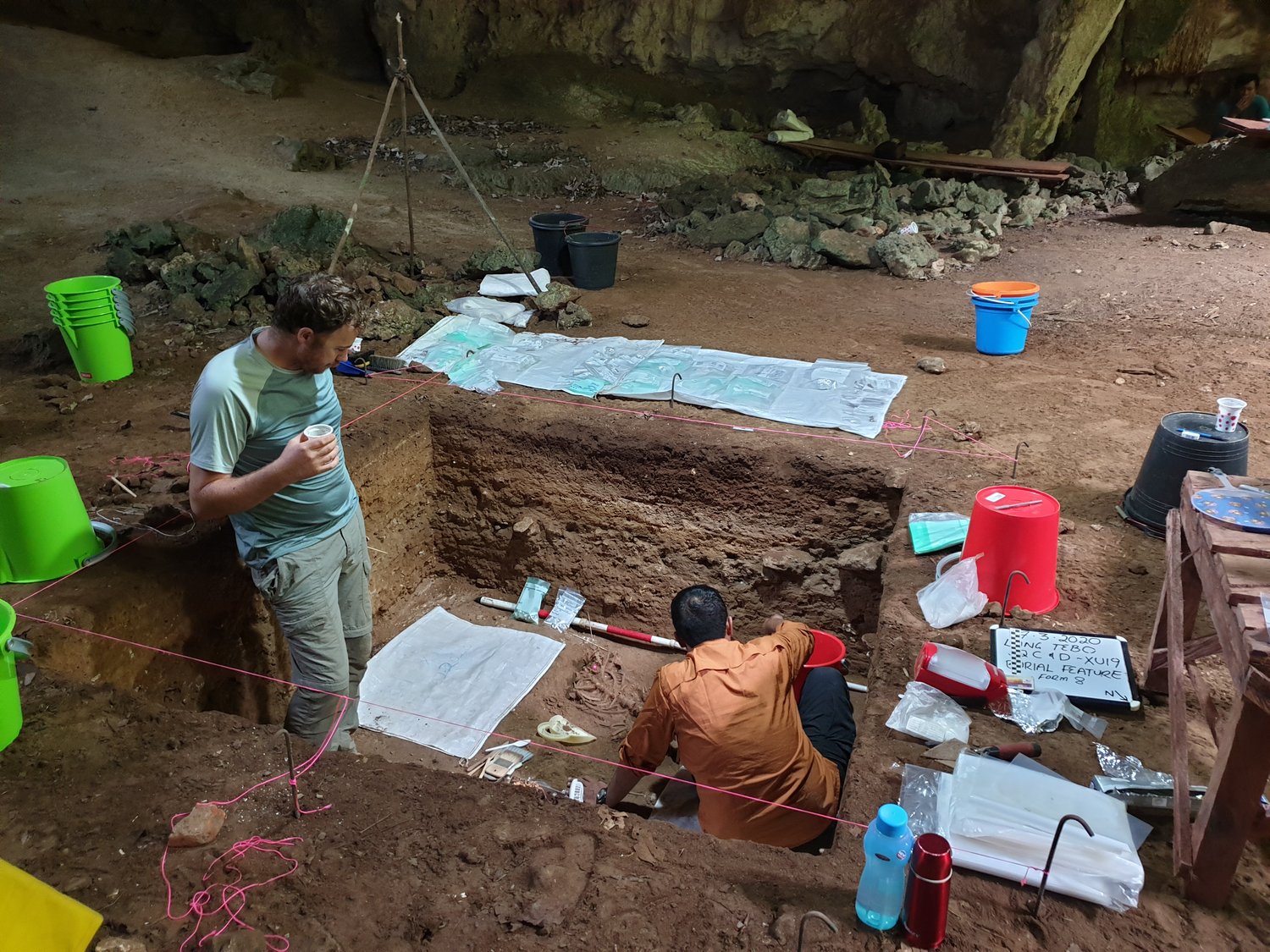
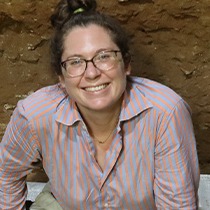
In early 2020, Professor Maxime Aubert sent his team to uncover the lifeways of the people who made some of the world's oldest cave art. The archaeological excavations were led by the late Dr Tim Ryan Maloney and co-directed by Dr India Ella Dilkes-Hall and Andika Arief Drajat Priyatno. Their patient work in the cave floor turned up what no one was looking for: a careful, deliberate burial in a remote cave we now call Liang Tebo.
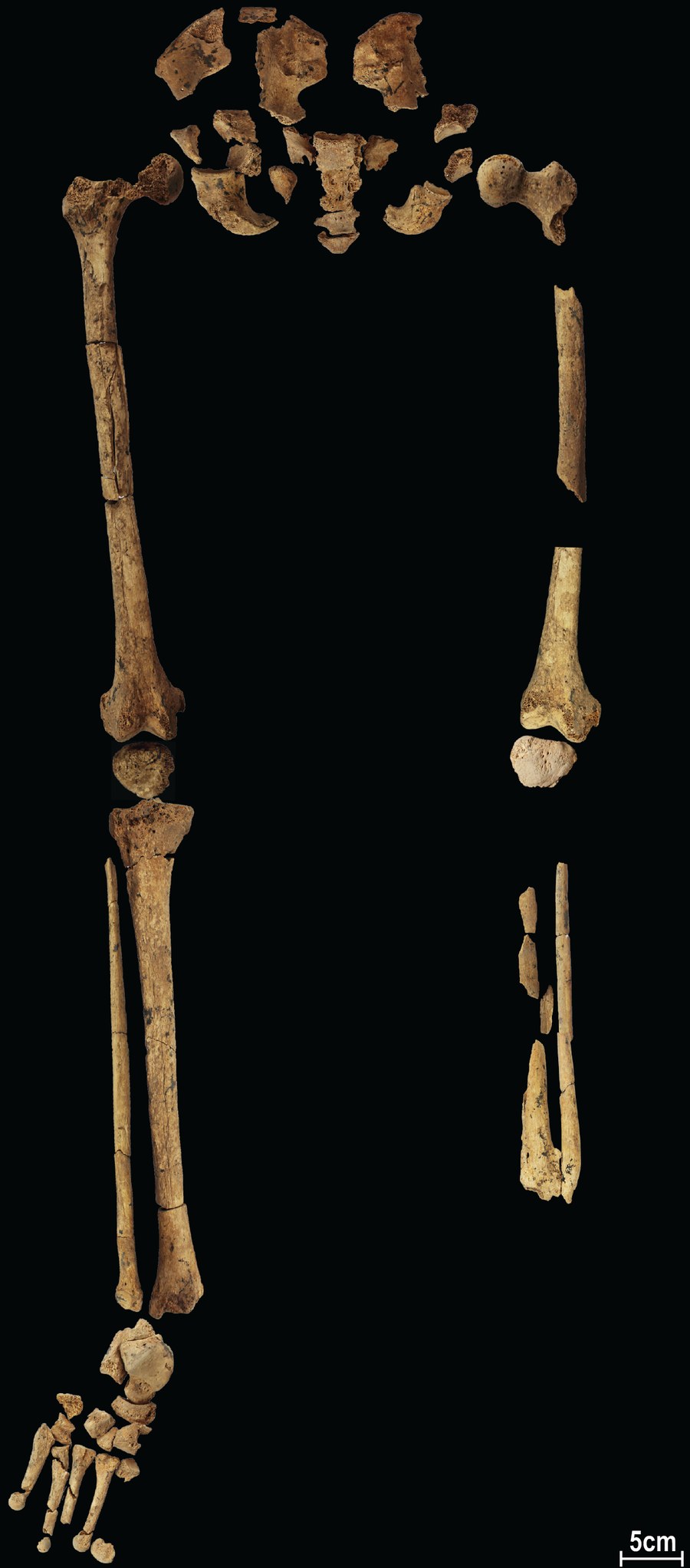
The skeleton was a young person, around ten or eleven when injured, whose lower-left leg had been surgically amputated and fully healed. The remodelled, infection-free bone is the mark of skilled surgery. That the young individual lived for nine to ten years after the amputation tells us a community carried and cared for the child long after. Published in Nature, it is the oldest known successful major operation in human history.
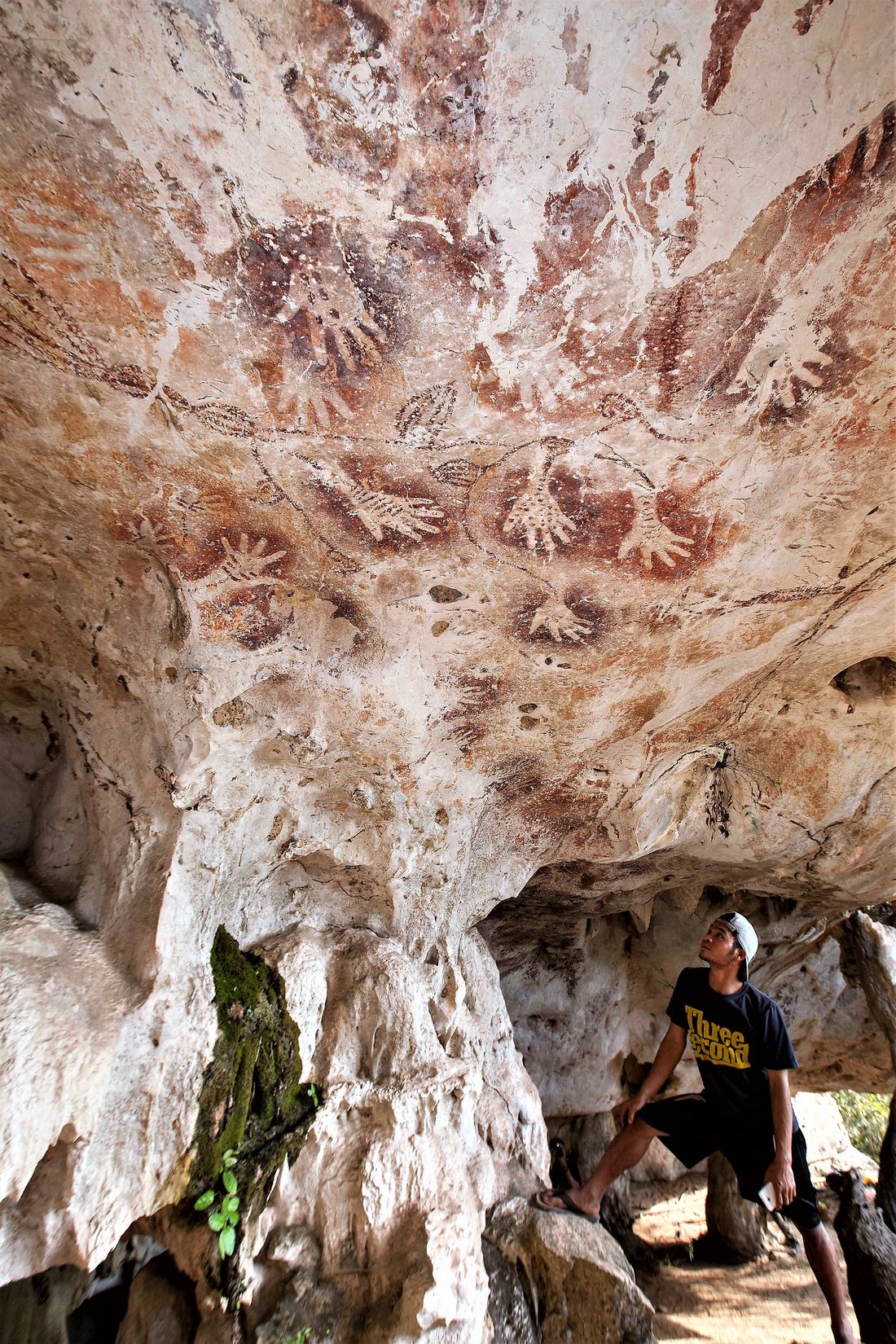
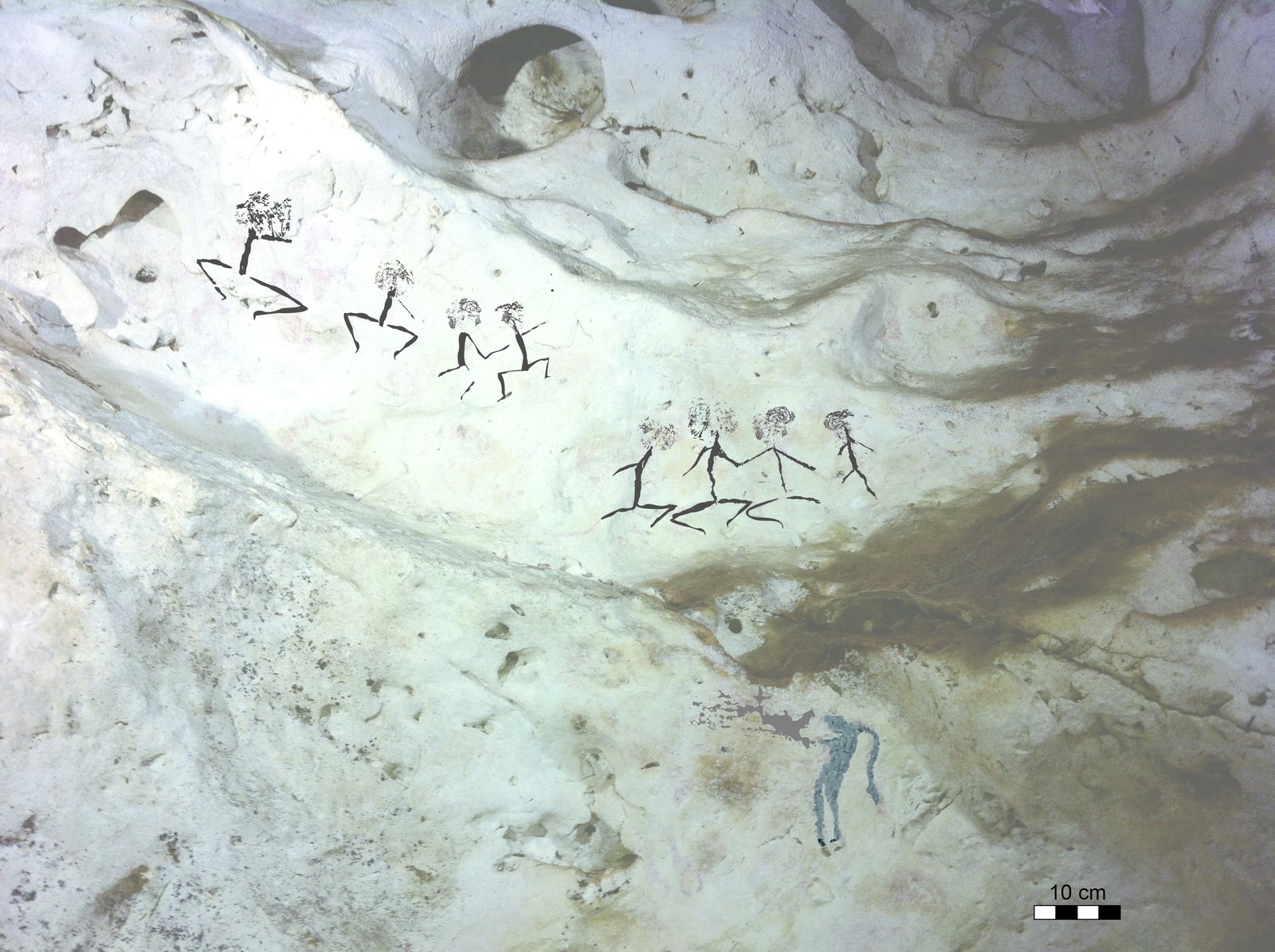
And it does not stand alone. Around the burial, the cave walls hold some of the world's oldest hand stencils, and ochre was recovered near Tebo 1's mandible, linking the grave to art and ritual. A single cave holding evidence of surgery, art, and burial marks a turning point in the human story.
Tebo 1's skeleton. The lower-left leg, amputated and healed. Maloney et al., Nature, 2022.
31,000
Years ago
#1
Oldest successful major operation
40,000+
Year-old hand stencils
Nov 2026
Return expedition
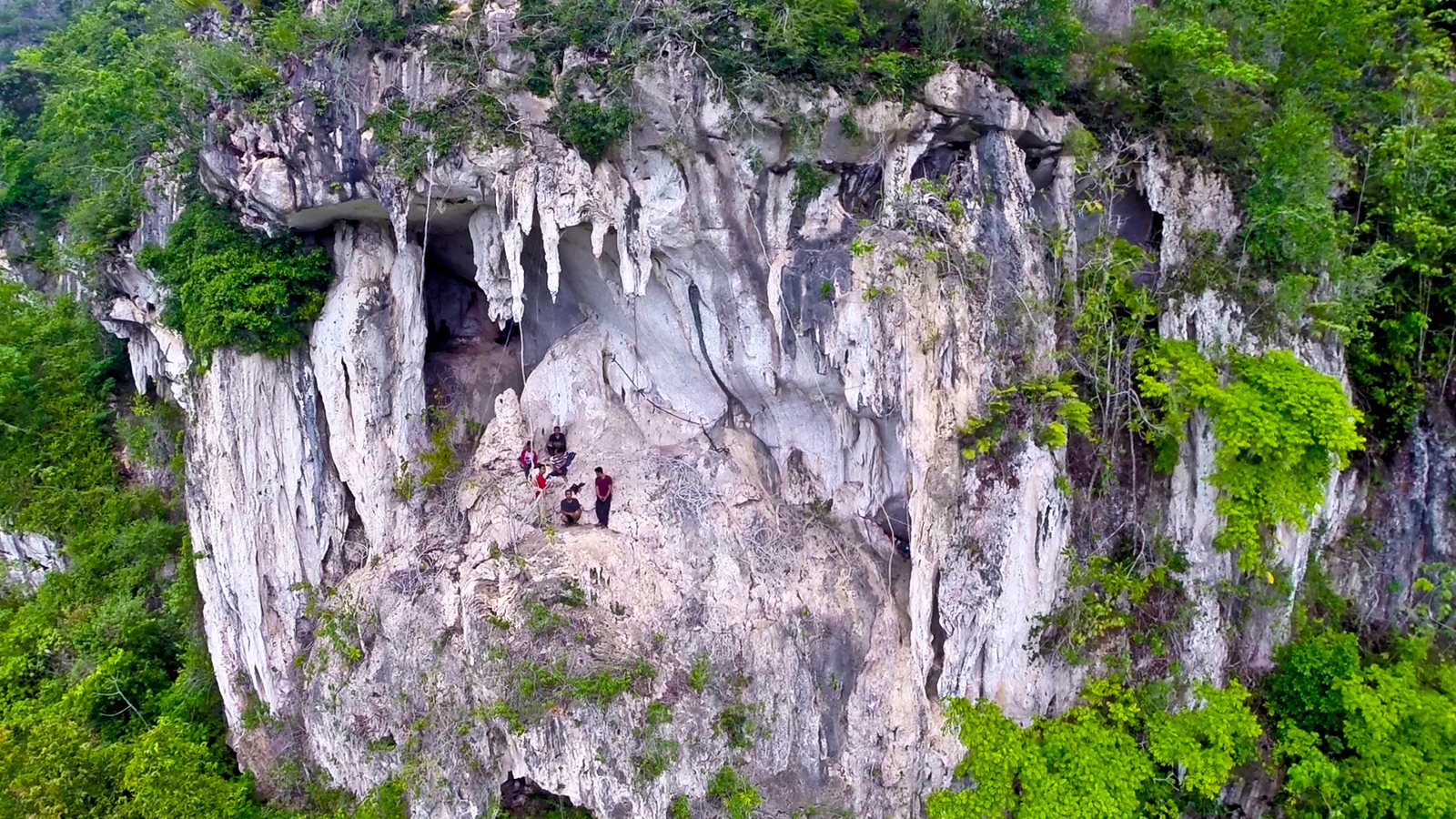
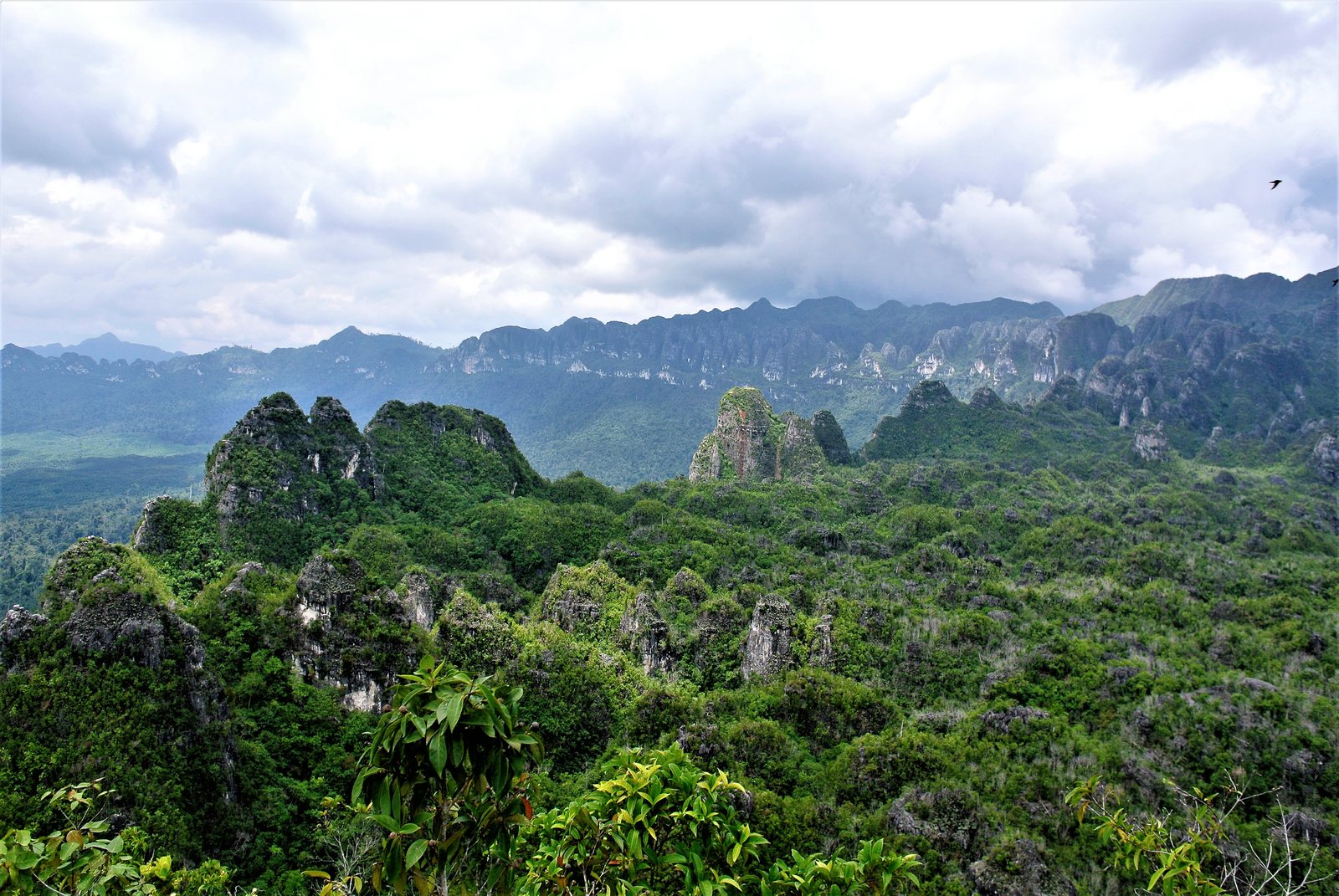
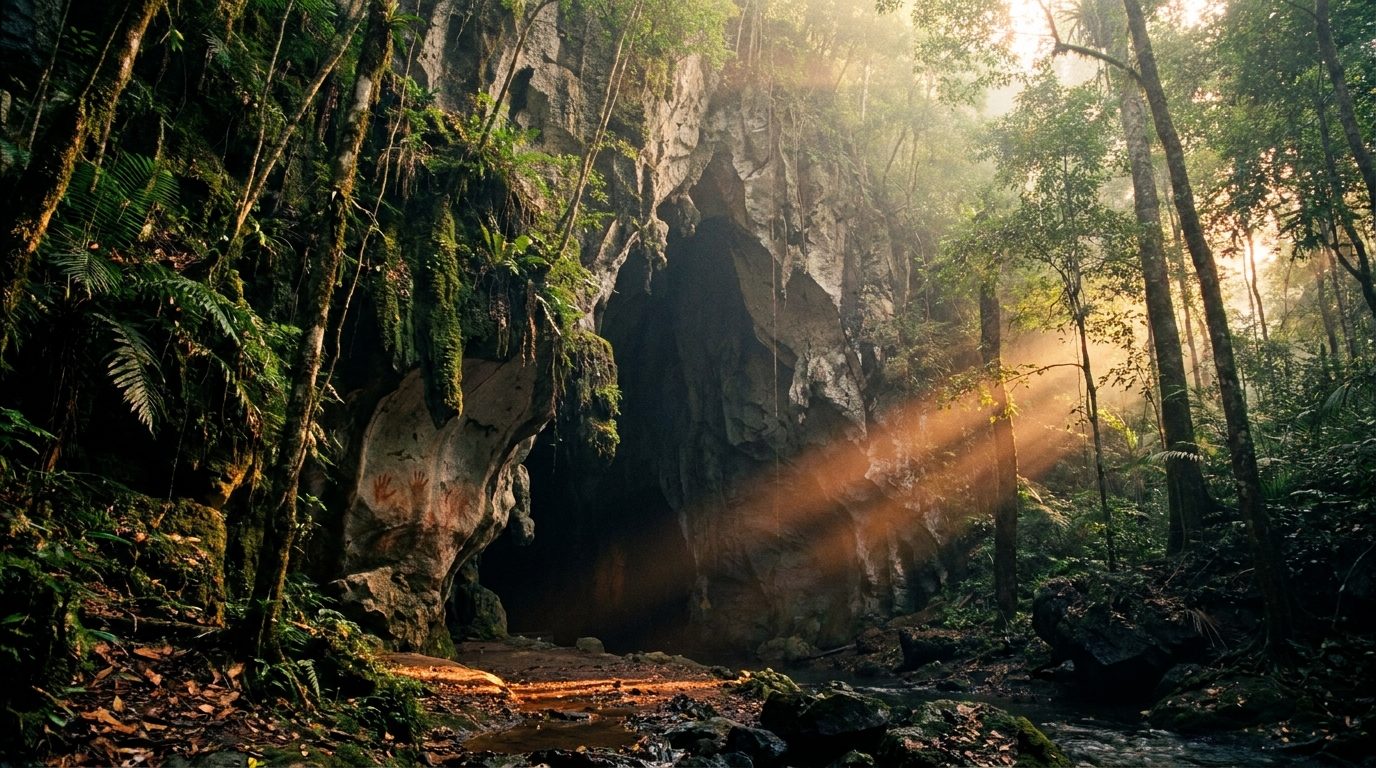
Some of the world's oldest hand stencils, in the karst caves of East Kalimantan.The excavation at Liang Tebo. Photo: Dr India Ella Dilkes-Hall.A cave in the cliffs of the Sangkulirang–Mangkalihat karst.Narrative rock art from the same deep-time landscape.
31,000 Years Ago
Care, not conquest, may be the oldest human trait.
Surviving a childhood amputation and living into adulthood took more than a skilled hand. It took a community that chose to stay, and to carry one of its own for years.
Tebo 1's story rises from a land of firsts, where some of the oldest art on Earth still glows on cave walls. Against the cold logic of survival of the fittest, here is a life that an entire community chose to hold up.
Together, the healed bone and the hand stencils nearby point to one thing: our humanity exists in the choices we make to care for one another.
A Personal Connection
Why this story feels personal.
At the heart of it is a child who lived 31,000 years ago. And for the people rediscovering and telling their story, the care that kept Tebo 1 alive is not an idea to be argued. They have lived it, from both sides.
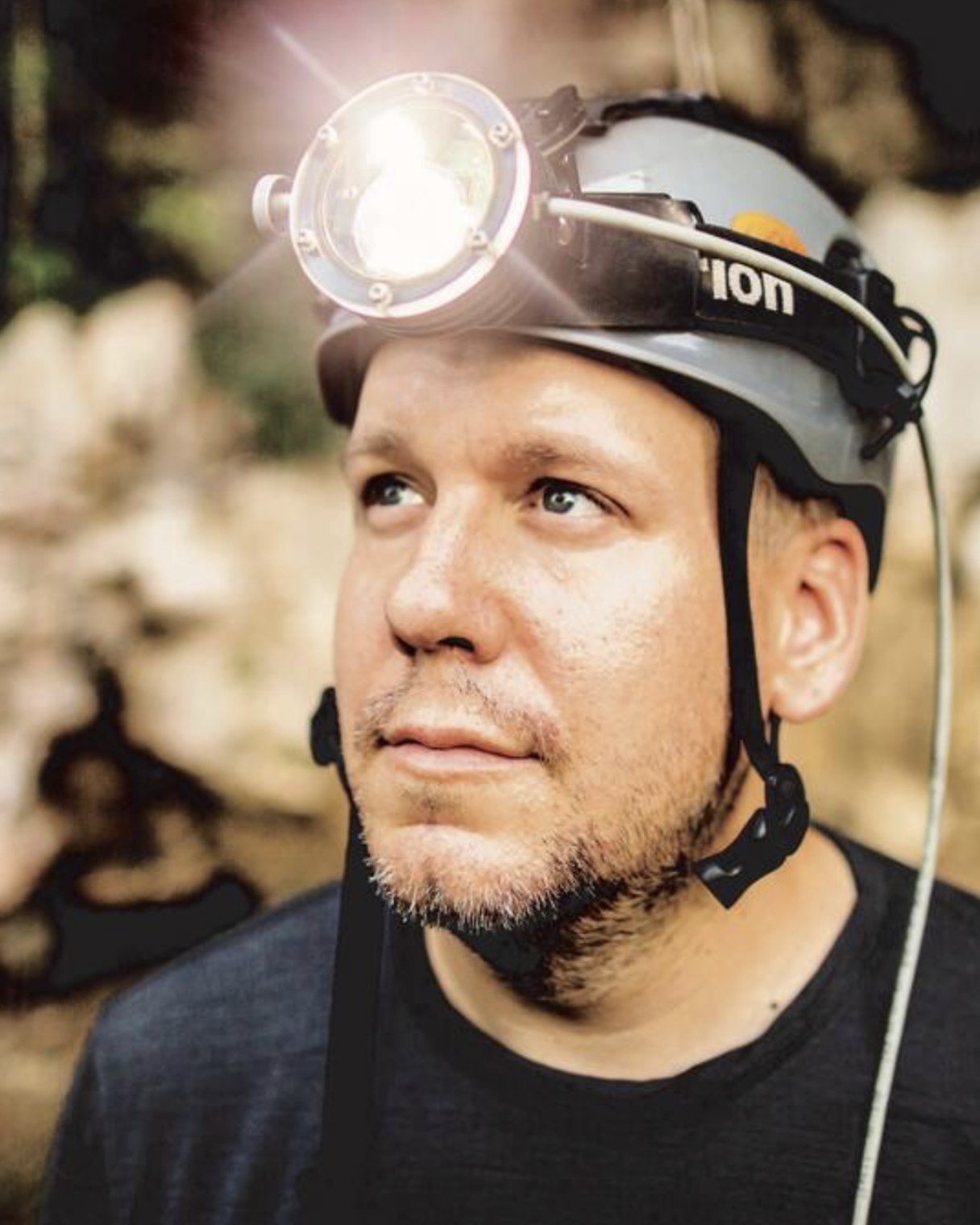
Prof. Maxime Aubert
Project Co-Lead · Science · Griffith University · National Geographic
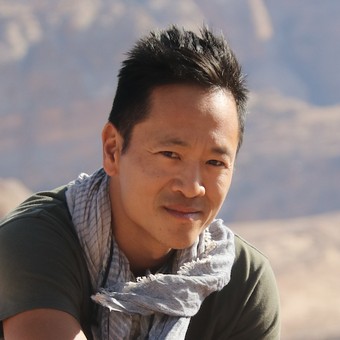
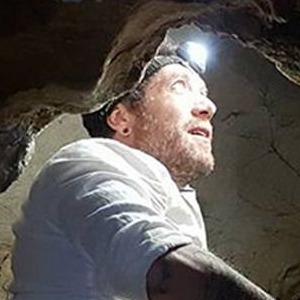
An archaeologist and geochemist at Griffith University, Maxime is a leading authority on dating the deep past. His uranium-series dating of cave art established the age of the oldest figurative paintings ever found, moving the origins of art from Europe to the islands of Southeast Asia. His search for humanity's earliest images first brought the team to Liang Tebo. He grew up beside the same truth at the heart of this story: his father lost a leg at twelve, and care for an amputee was part of his own childhood.
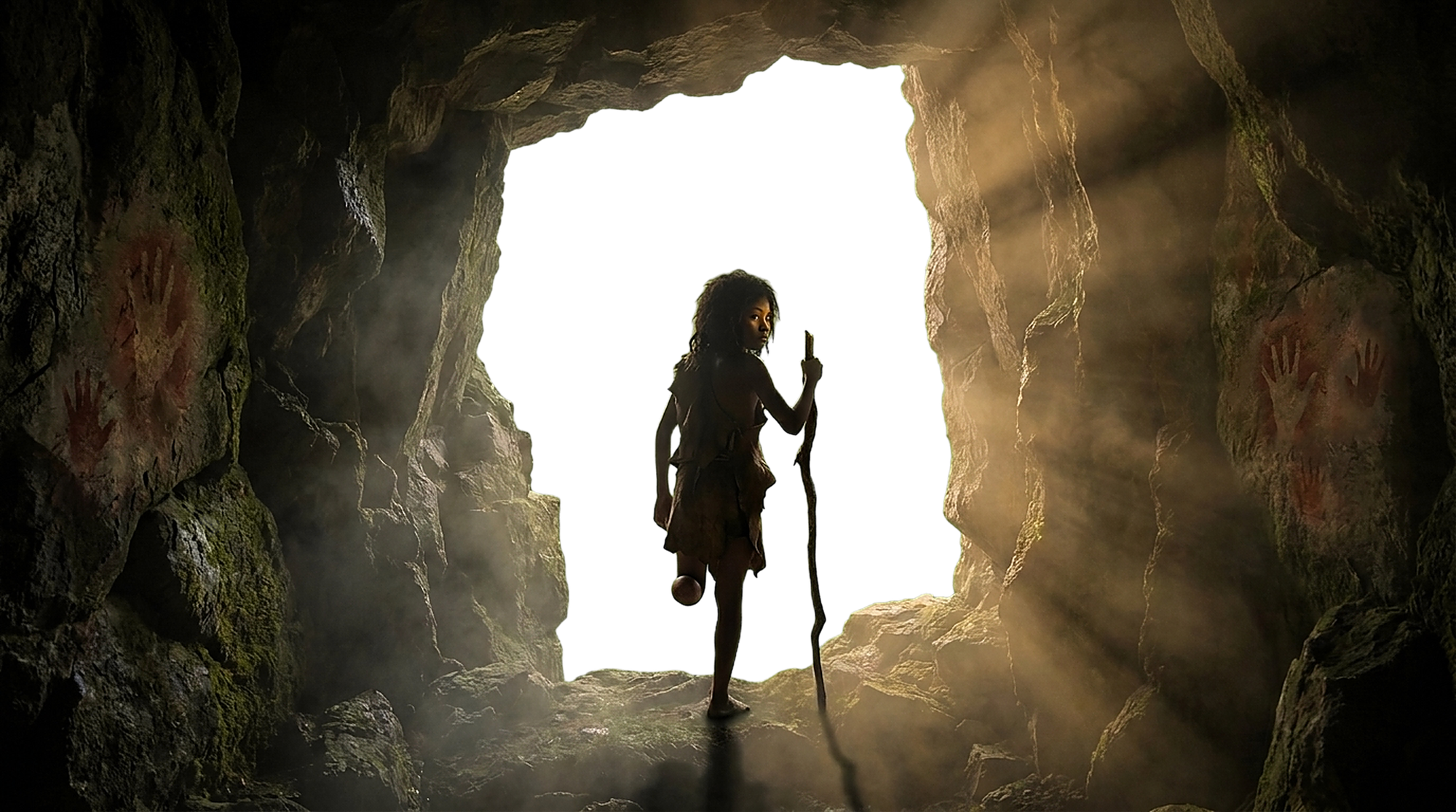
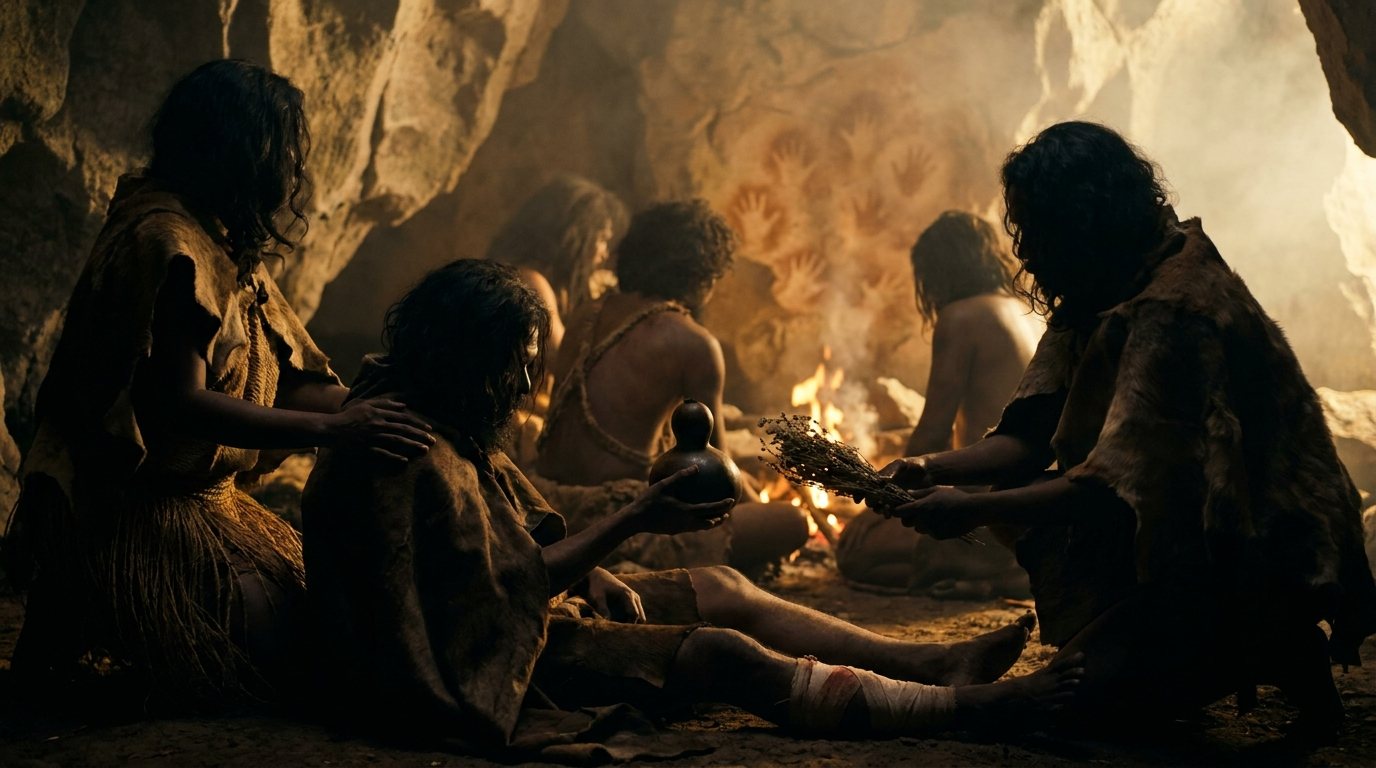
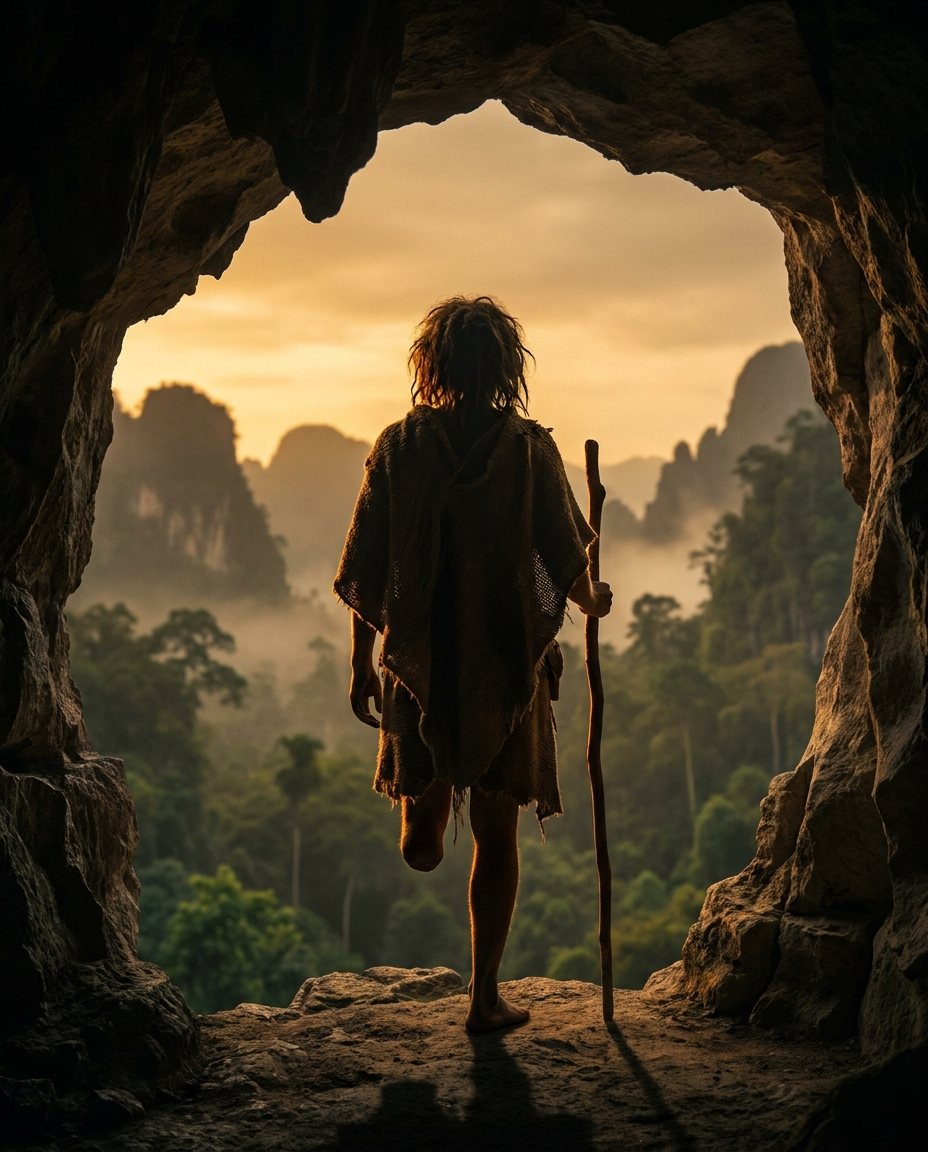
Imagined reconstruction.
Tebo 1
Project Lead · 31,000 Years Ago
The child at the heart of it all. A leg lost below the knee in childhood, and bone that kept growing for ten years afterward, proof that a community carried and cared for Tebo 1 long after the surgery. Ochre in the mouth and stained teeth may be among the earliest traces of plant medicine. Newer DNA analysis hints at an endocrine difference, a body that may have been intersex. The oldest proof we have that to be human is to care. Every part of this work serves that story.
Dr. Albert Lin
Project Co-Lead · Explorer & Storyteller · National Geographic
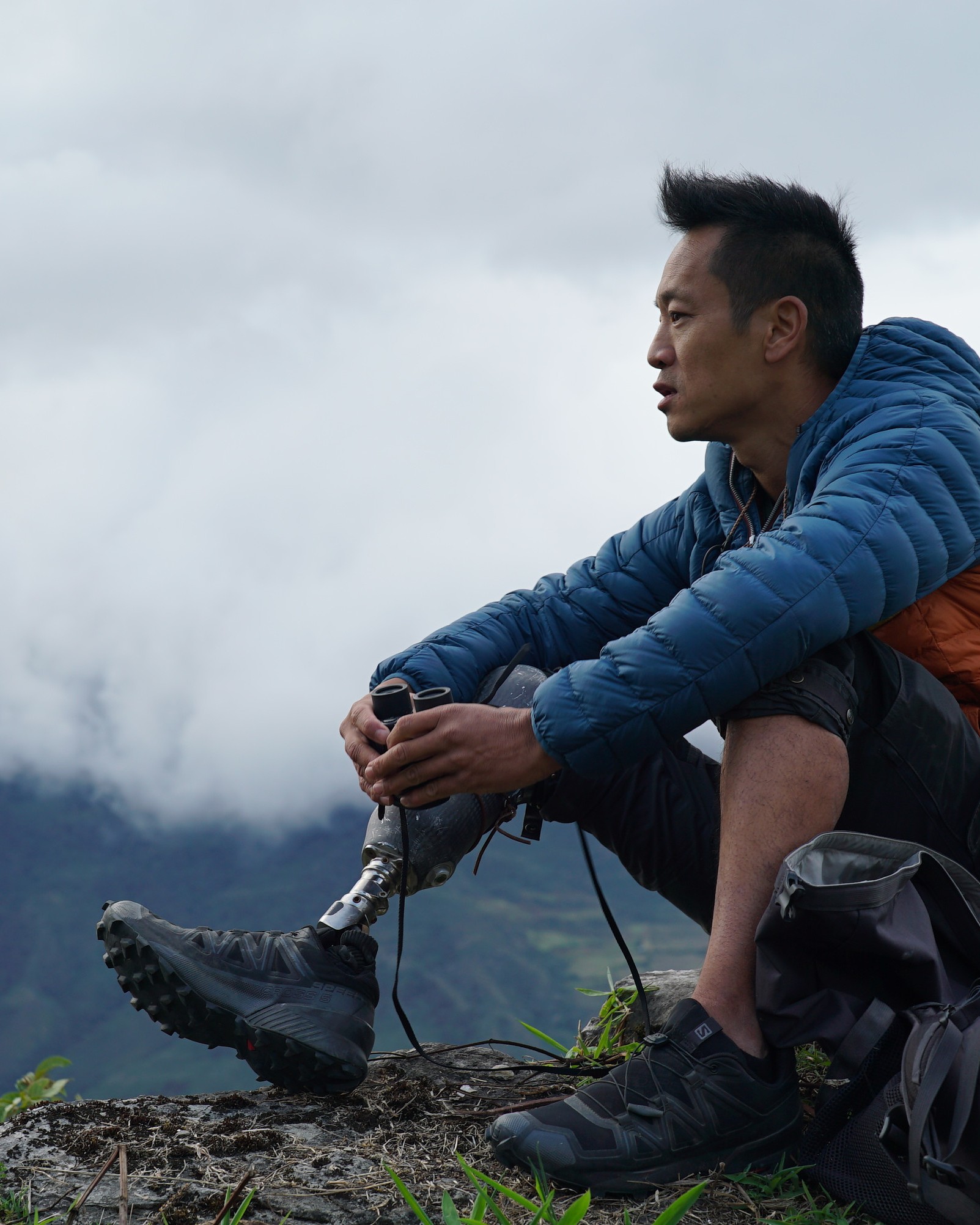
An engineer turned National Geographic Explorer, storyteller, and below-knee amputee, Albert has built his career revealing lost worlds without disturbing them, using LiDAR to lift hidden histories from the dark, from the Maya cities to the Holy Lands, in series like Lost Cities with Albert Lin. The same tools now bring Tebo 1's cave to light. He shares Tebo 1's exact loss, and has known care from the other side: when his young son's life hung by a thread, his family brought him back, his own handprints on the cave wall.
"My own community became my hand stencils on the cave wall."
Dr. Albert LinNational Geographic Explorer & Storyteller
"The story of Tebo 1's world is written on the walls of these caves, and there is so much yet to be found."
Prof. Maxime AubertWho dated the world's oldest known rock art
Upcoming Expedition
November 2026
Sangkulirang–Mangkalihat Karst · East Kalimantan, Borneo · ~1°N 118°E
This November's expedition has three goals, pursued as one: to capture Liang Tebo in ultra-photorealistic LiDAR before it is lost, to film the documentary that launches Tebo 1's story, and to push into the unexplored high karst of Tondoyan in search of caves and rock art no one has yet recorded. The full logistics are in the timeline below.
~27
Days in the field
2
Days by canoe to Liang Tebo
2
Teams · science + story
2
Sites scanned · Liang Tebo + Tondoyan
Officially funded by the National Geographic Society Storytellers Program
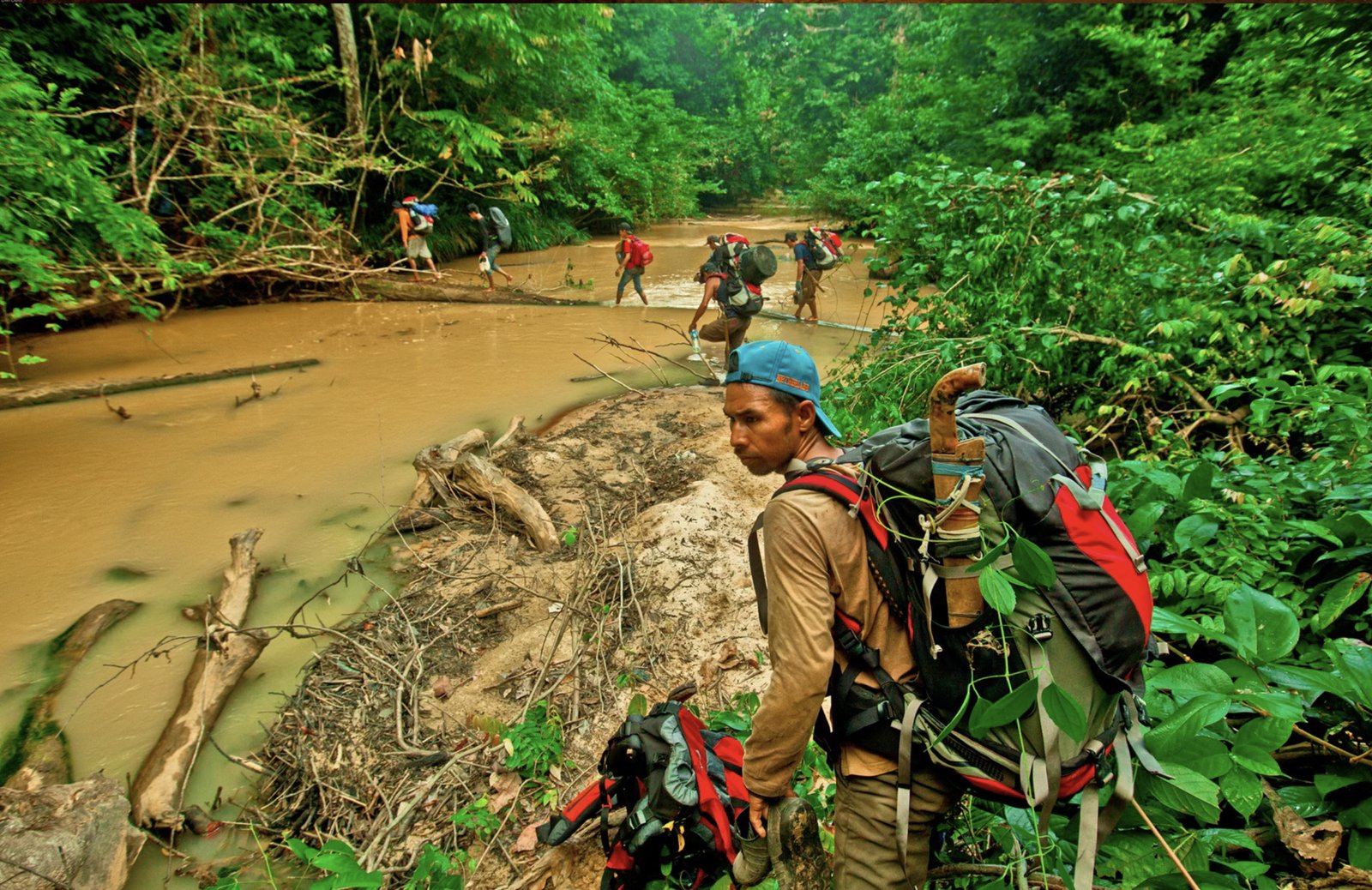
Reaching Liang Tebo, deep in the rainforest. Photo courtesy of Tim Maloney, the Liang Tebo expedition.
The Expedition Plan
1
Phase 01 · Days 1–2 · Canoe in
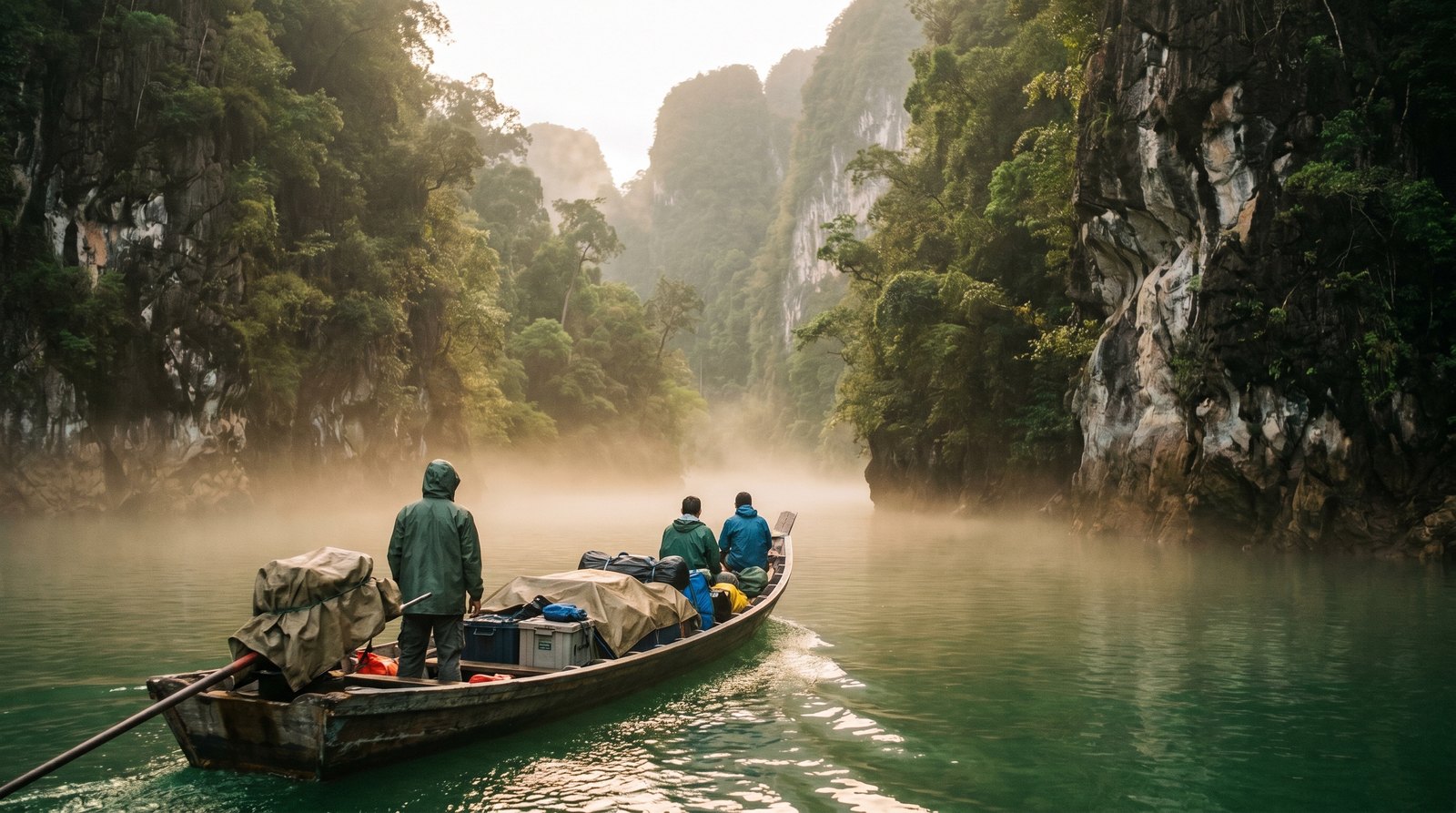
Two days upriver to Liang Tebo
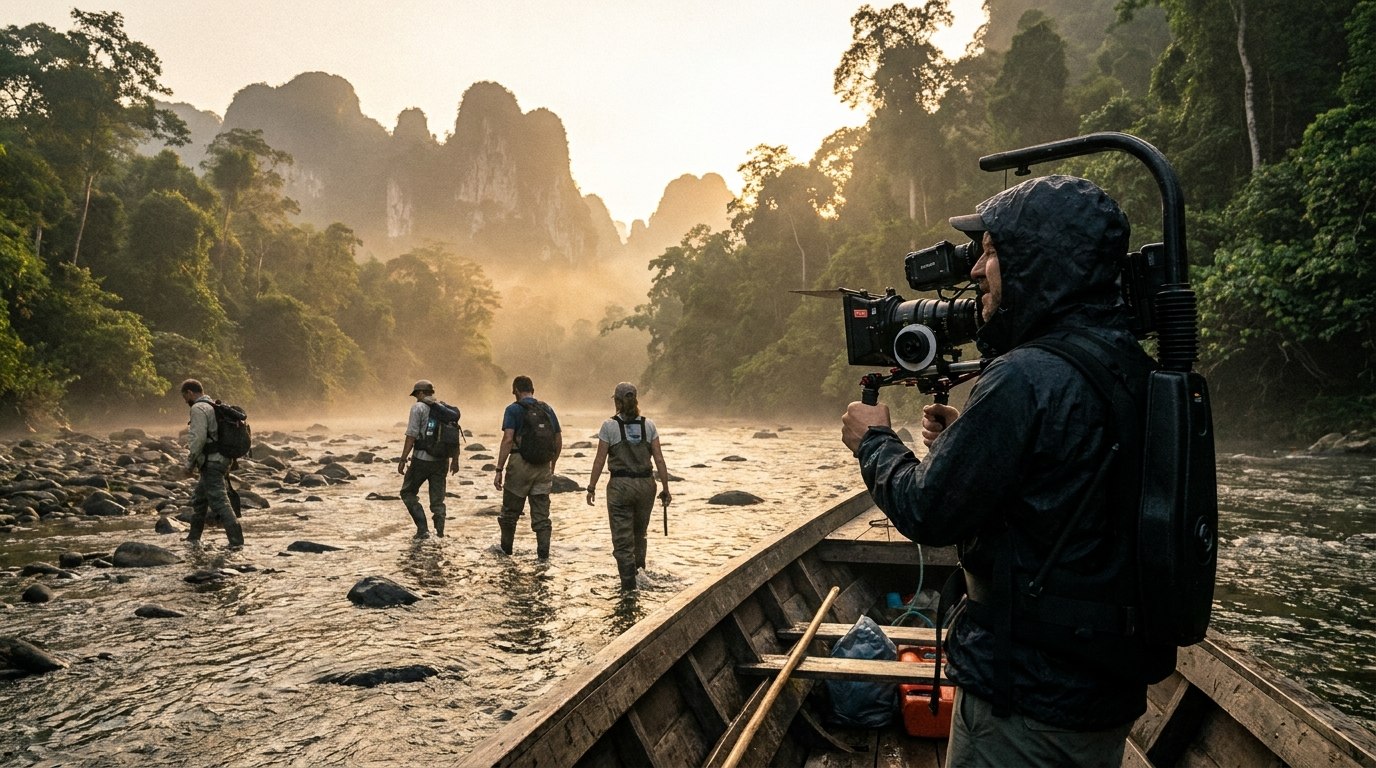
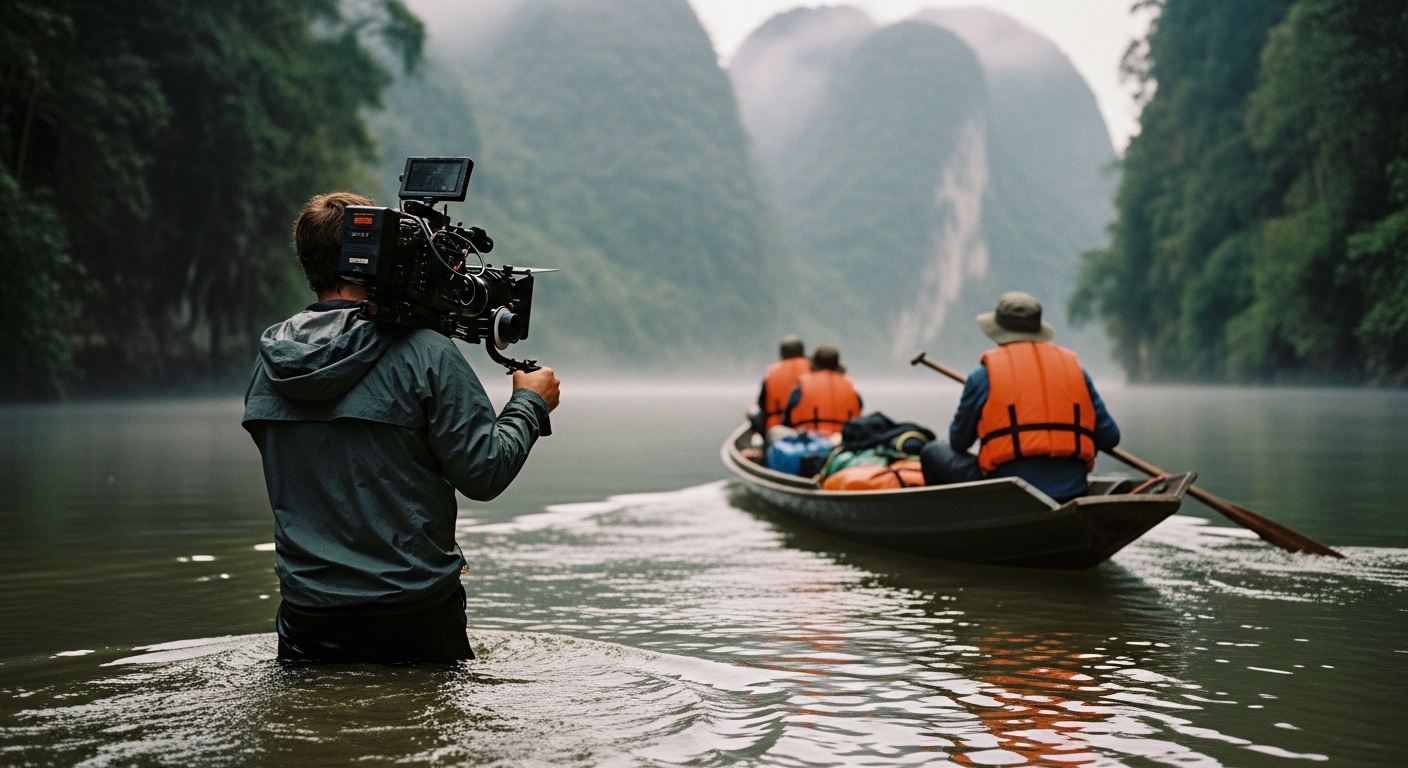
From the river head, two days by canoe carry the team and its gear deep into the Sangkulirang–Mangkalihat karst to Liang Tebo, far beyond any road or signal. This is the isolation that has kept the story untouched for 31,000 years.
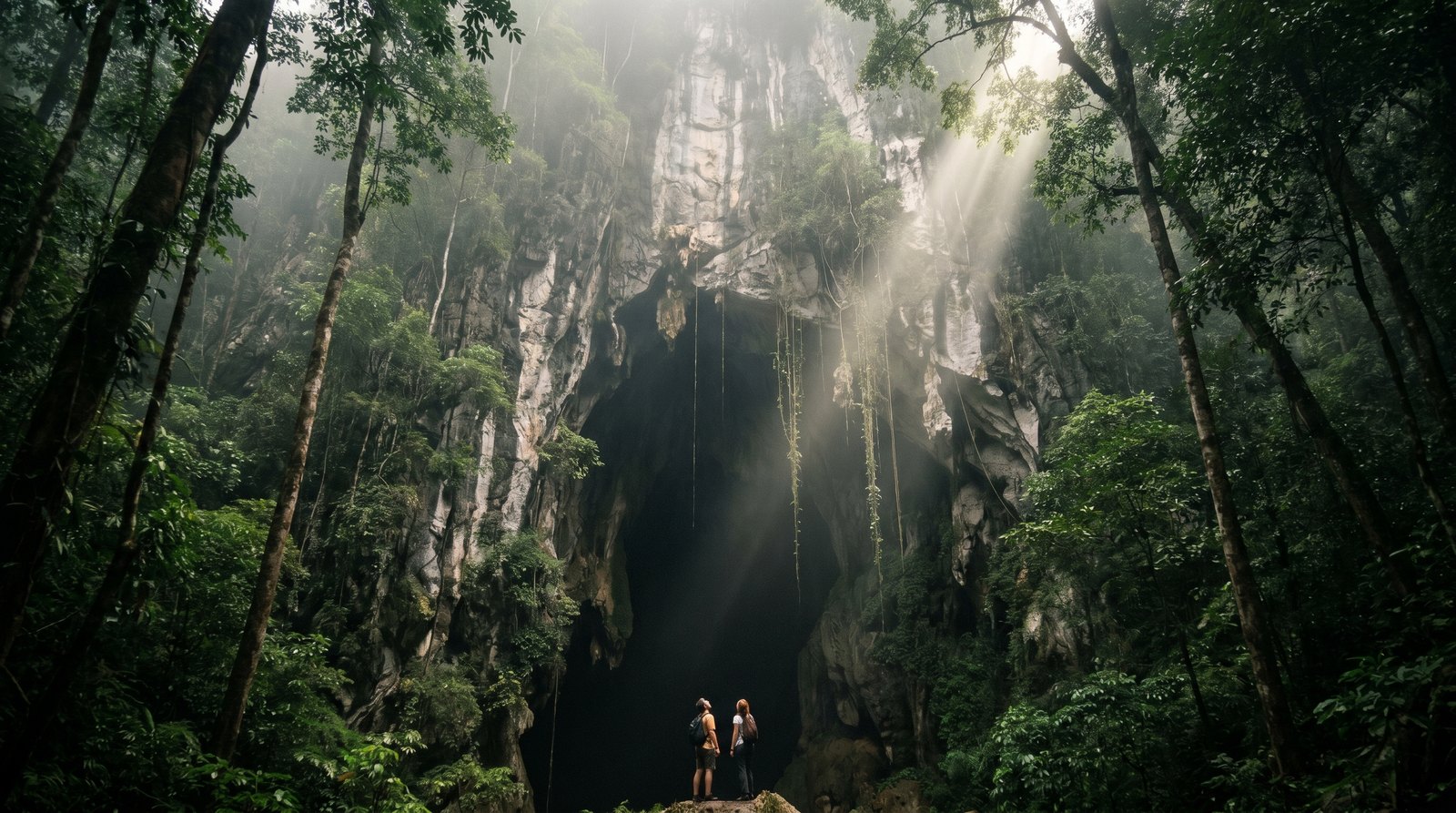
Two days by canoe into the karst. Concept image.
2
Phase 02 · Days 3–7 · Liang Tebo
Scan the site, search the karst
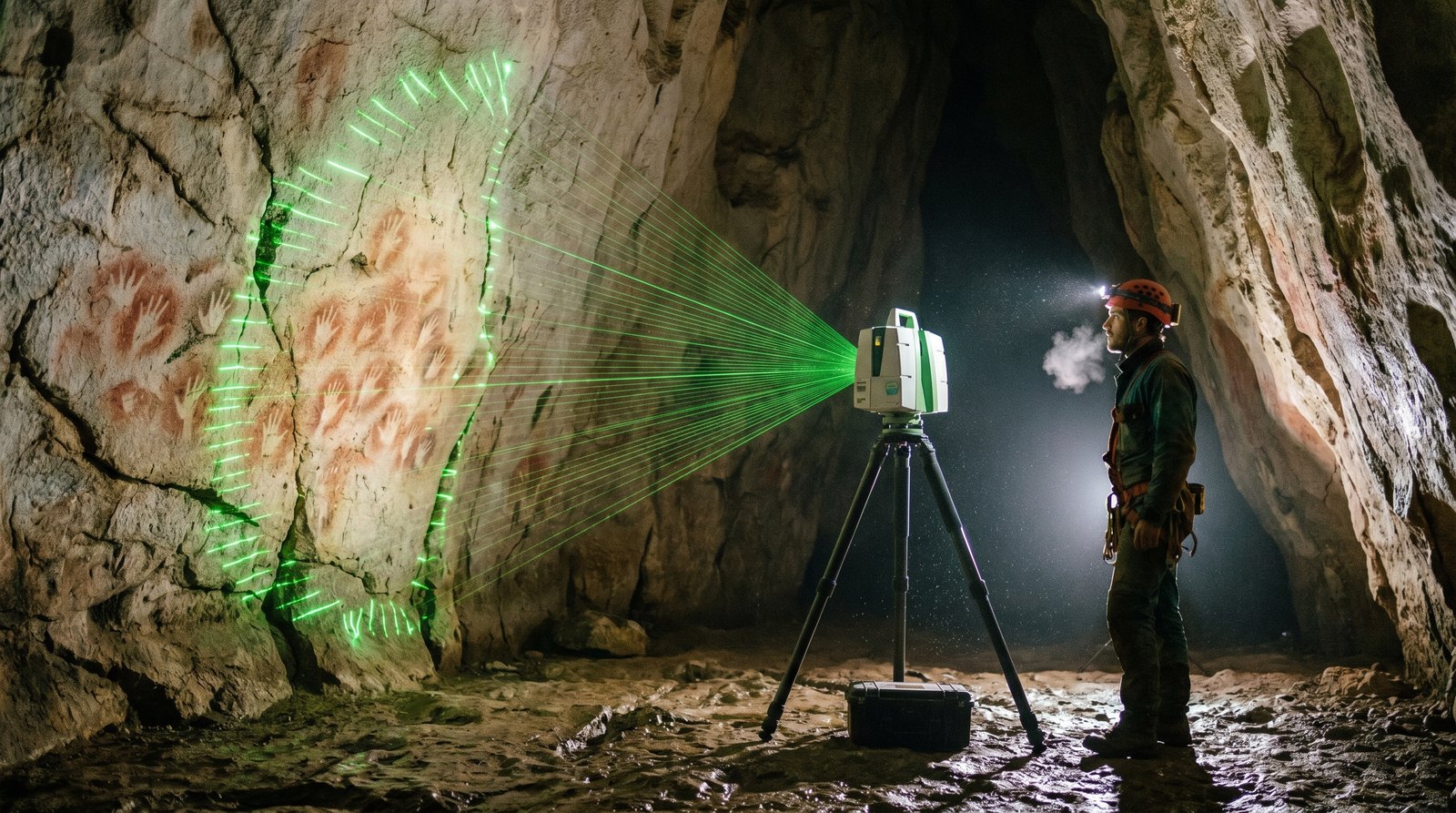
Five days at the discovery site. Terrestrial LiDAR and photogrammetry build a millimetre-accurate 3D archive of Liang Tebo, while drone-LiDAR survey grids strip the canopy off the surrounding karst to guide on-foot recon of new cave systems no one has entered.
Scanning Liang Tebo to millimetre accuracy. Concept image.
3
Phase 03 · Days 8–10 · Portage
River portage to Tondoyan
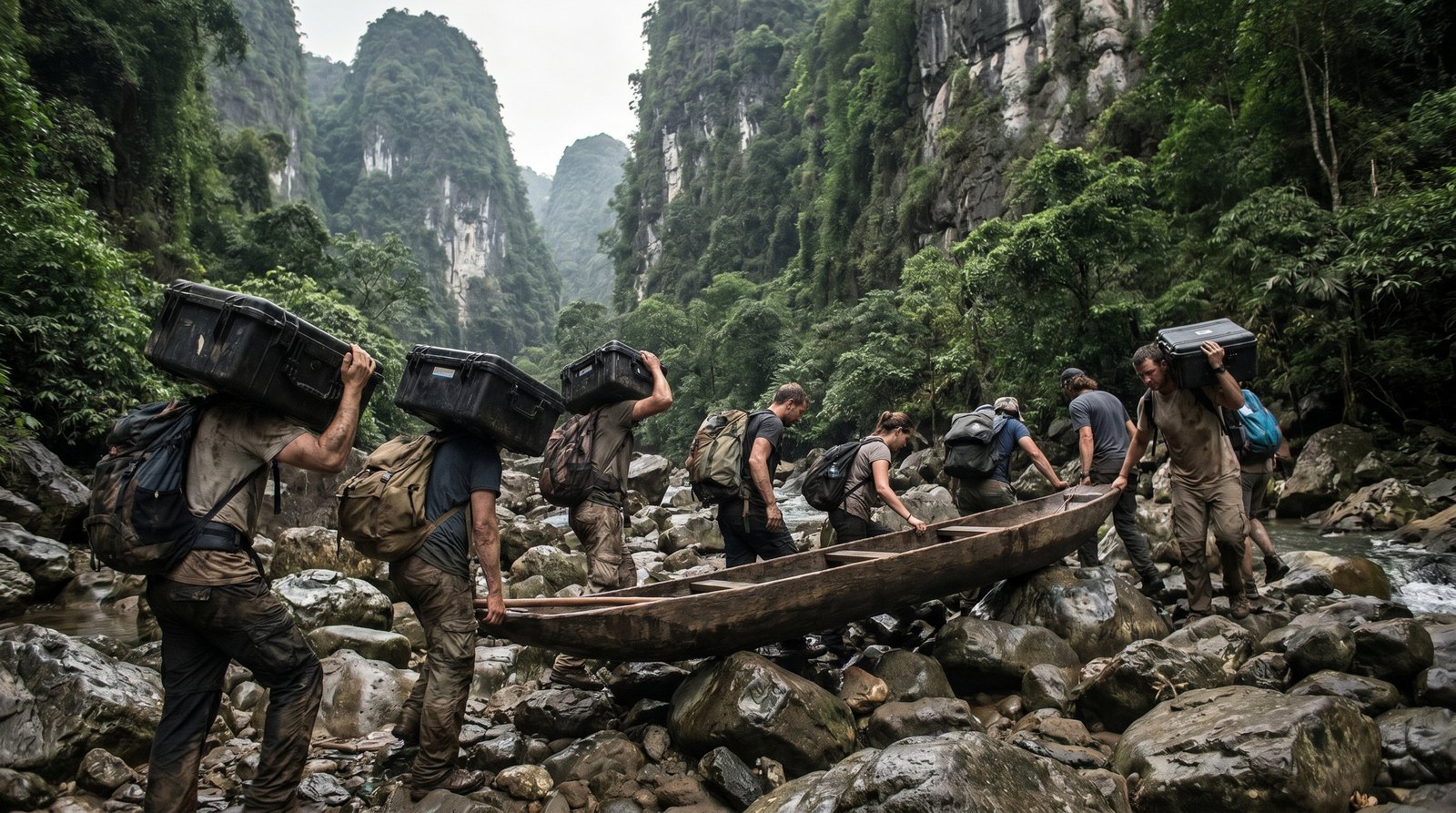
A two-to-three-day river portage pushes deeper into the landscape to Tondoyan, the highest karst formation in the region and one of its least explored.
Portaging gear toward the high karst. Concept image.
4
Phase 04 · Days 11–24 · Tondoyan
Into the unexplored
Two weeks exploring the vast cave systems of Tondoyan, dark mouths visible from across the valley but never entered, searching for the new rock art and burial chambers that could carry Tebo 1's story across the wider karst.
The unexplored caves of Tondoyan. Concept image.
5
Phase 05 · Days 25–27 · Out & deliver
Carry it to the world
The team runs the river back out, carrying redundant copies of the data the whole way. What leaves is a permanent spatial archive of two of the world's most significant prehistoric landscapes, the foundation for film and for the case for UNESCO World Heritage protection.
Conducted with BRIN and the Dayak custodian communities, and screened in-region first. Indicative field plan; exact dates and durations depend on river conditions, weather, and permits. Imagery is AI-generated concept art for TEBO 1.
The Technology · LiDAR & Visualskies
One scan, two missions.
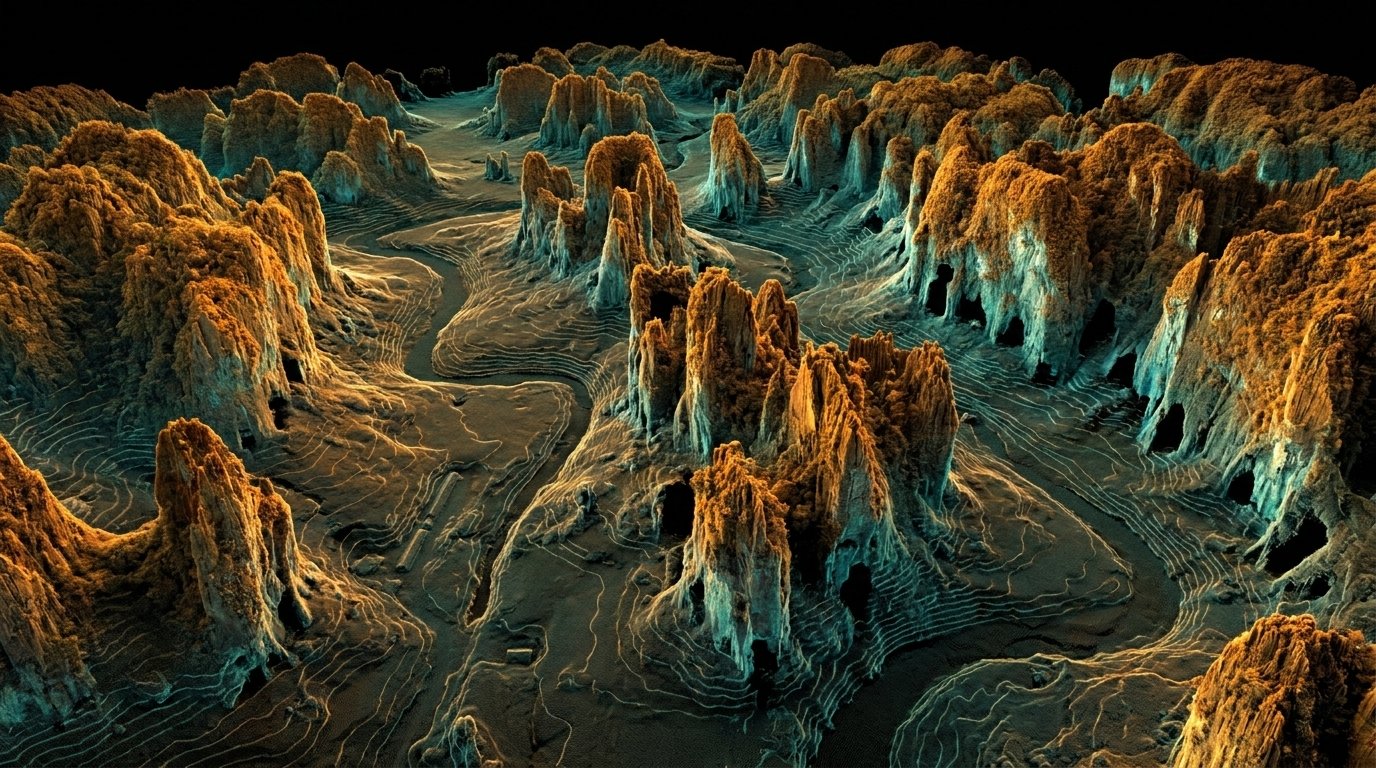
A single LiDAR scan serves both halves of this project. It searches the karst for caves no one has found, and it records Liang Tebo in photoreal 3D so the rest of the world can step inside.
Forest canopyLiDAR · caves revealed
DJI M600 · LiDAR
Possible cave
Possible cave
Possible cave
Possible cave
Possible cave
Possible cave
Possible cave
Possible cave
Possible cave
Possible cave
Possible cave
Possible cave
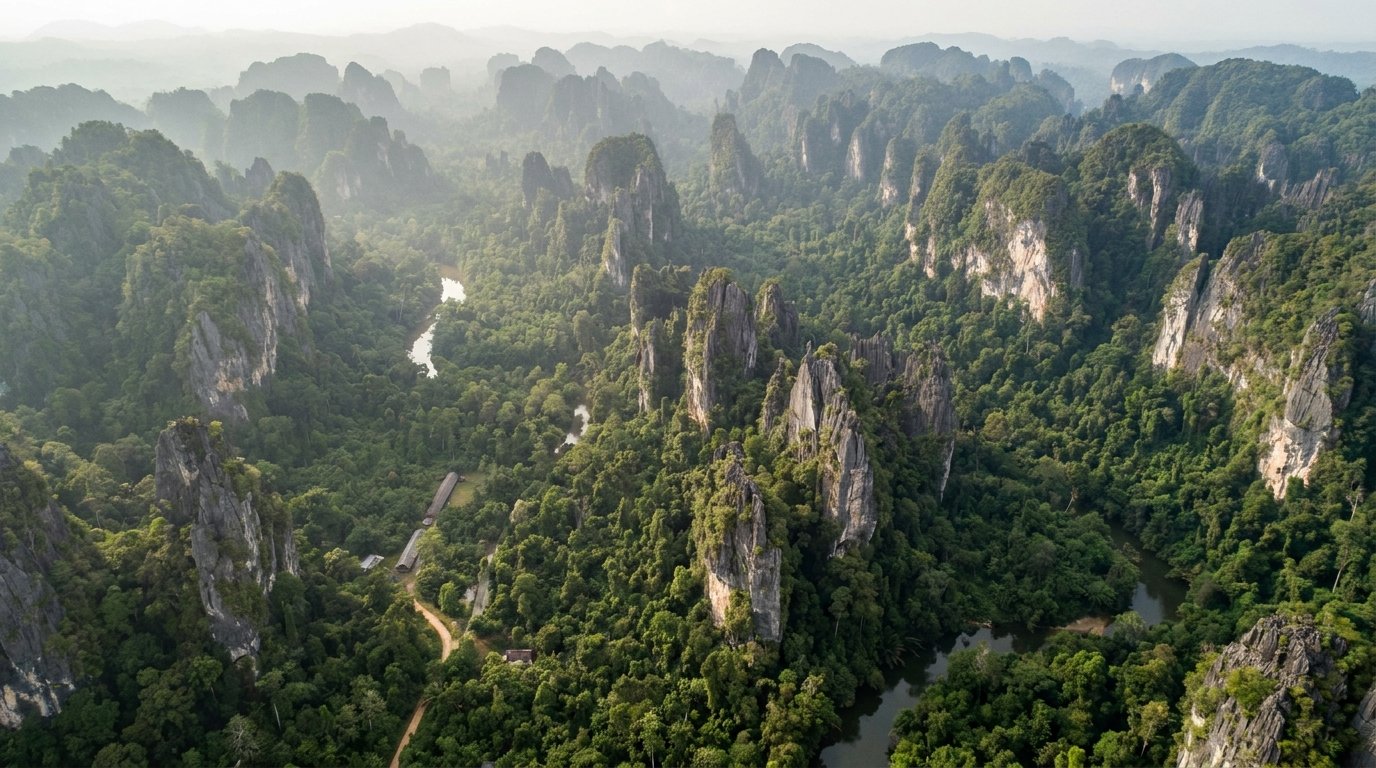
Drag the drone. Aerial LiDAR sees through the canopy to the bare limestone, revealing cave openings no one has entered. Highlighted: potential cave openings. Concept visualization.
Scan to Screen
The same scan rebuilds the cave's lost world.
From that LiDAR data, Visualskies reconstructs Liang Tebo and its 31,000-year-old world in photoreal 3D, the foundation for the documentary and the immersive experiences that carry it to everyone.
A Method Years in the Making
Expedition-tested technology.
The same LiDAR and 3D toolkit behind Lost Cities with Albert Lin, refined over fifteen years with Visualskies and now turned on Liang Tebo.
Tebo 1’s world, the Sangkulirang–Mangkalihat karst of East Kalimantan, is being eaten away by logging, mining, and palm-oil monocropping. Without action, the cave, its burial, and the ancient art our species left there could be lost within years.
Conservation · Co-Stewardship
Awareness may be the karst’s best protection.
Tebo 1’s home holds more ancient rock art than anywhere else in Southeast Asia, including some of the oldest figurative paintings ever found on Earth, dated in these very caves by our own Prof. Maxime Aubert. It is also counted among the ten most endangered karst landscapes in the world.
1.8M ha
Of karst under pressure
40,000+
Years, among Earth’s oldest art
Top 10
Most-threatened karsts on Earth
2015
On UNESCO’s World Heritage shortlist
Its limestone is hunted for cement, its forest cleared for oil-palm, coal, and logging, with pressure rising as Indonesia builds its new capital, Nusantara, nearby. More than 40% of the karst here already sits under mining concession. Quarry a single tower and the caves, burials, and art inside are gone for good.
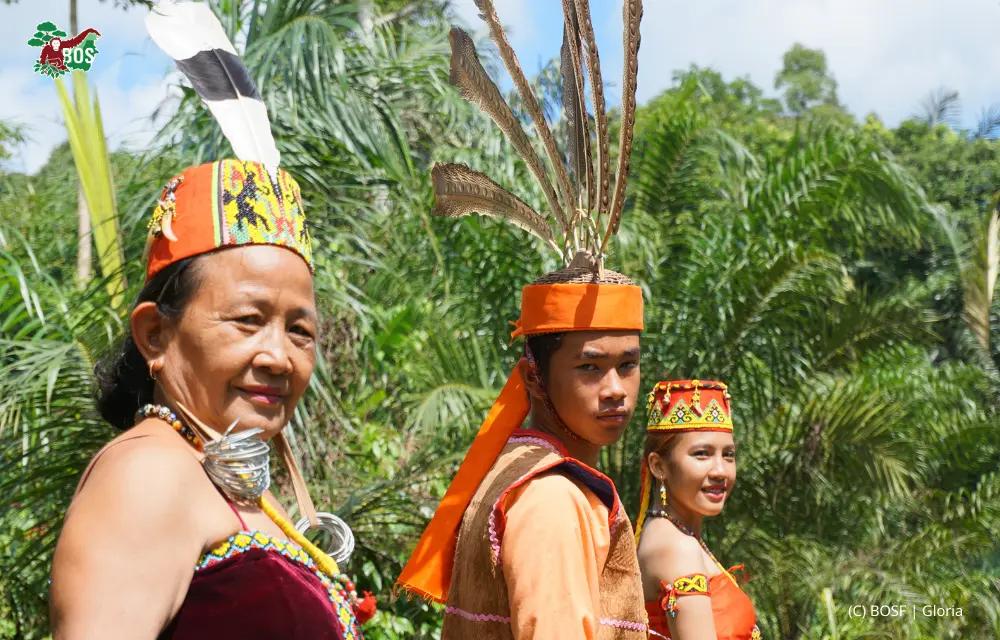
Nothing here is done to the region; it is done with it. The work is co-designed with BRIN, Indonesia’s National Research and Innovation Agency, Indonesian scholars, and the Dayak custodian communities whose ancestral land this is. We follow the principles of the United Nations Declaration on the Rights of Indigenous Peoples: free, prior, and informed consent before we film, credit for community knowledge, and the right of communities to shape how their culture, their land, and their ancestors are represented. Screenings happen in the region before anywhere else.
The vision works on two fronts. First, bring this story of care to the world when it is badly needed: proof, written in bone and ochre, that humanity's origins lie in compassion and empathy. Second, turn that attention back onto the karst, strengthening the case for UNESCO World Heritage protection and backing the Indigenous and local stewardship already fighting to hold this landscape against mining, logging, and monocropping.
Sources: UNESCO World Heritage Centre tentative list (2015); Aubert et al., Nature (2018, dating the karst’s rock art); The Nature Conservancy; Mongabay.
The Vision
What this November makes possible.
This November's expedition is step one. From it we create a 25-minute documentary and an immersive VR experience, funded by the National Geographic Society Storytellers Program. From there a traveling exhibition and a conservation initiative follow, each retelling human origins as a story of care.
The Launch Pad
Built on the November expedition, officially funded by the National Geographic Society Storytellers Program.
The expedition puts this team in the cave beside the scientists who found Tebo 1. What they learn there is what lets them reach further, and The Dawn of Us reaches furthest: a scripted feature that carries a 31,000-year-old act of care to people who will never read the paper. It is a work of fiction, inspired by true events.
Tebo 1 reaches out to a Denisovan. Concept art for the feature film.
Developed and owned by TEBO1 Entertainment LLC, separately from the expedition and its grant. Rights & Ownership.
The scientists who found Tebo 1, the studio that can rebuild its world, and the storytellers bringing it to the screen.
01
The Discoverers & Holders of the Culture
The scientists who found Tebo 1, and the Dayak communities who hold
the land and its meaning.
Science · Custodianship
Sent the team
Prof. Maxime Aubert
The senior scientist whose search for the world's oldest cave art brought the team to these caves, and a leading authority on dating the deep past. Raised by a father who is an amputee.
TM
Director of excavations
Dr Tim Ryan Maloney †
Archaeologist and stone-artefact specialist who led the 2020 recovery of Tebo 1.
Co-directed the excavations
Dr India Ella Dilkes-Hall
Archaeologist and archaeobotanist who studies ancient plant use; Tebo 1's surgery, survival, and healing suggest a deep understanding of the ecological knowledge of medicinal plants.
AP
Co-directed the excavations
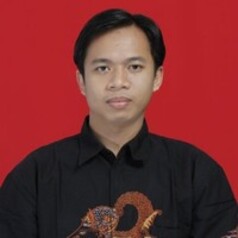
Andika Arief Drajat Priyatno
Archaeologist and co-director of the 2020 Liang Tebo excavations.
Read the bones
Dr. Melandri Vlok
The bioarchaeologist who recognized the healed amputation, the physical proof of skilled surgery and long-term care.
Dated the bones
Prof. Renaud Joannes-Boyau
The geochronologist who directly dated the ancient remains with cutting-edge atomic analyses, helping prove the amputation happened 31,000 years ago.
Opens the door · BRIN
Dr. Adhi Agus Oktaviana
One of Indonesia's foremost rock-art scholars; holds the permits, institutional trust, and the bridge to Dayak custodians.
Hold the land
Dayak Custodian Communities
The custodians whose landscape, knowledge, and consent anchor every part of this work.
The storytellers bringing Tebo 1 to the world across film, immersive
technology, and impact.
Story · Production · Impact
Carries the story
Dr. Albert Lin
The project's storyteller, developing the full vision, a National Geographic Explorer and a below-knee amputee who shares Tebo 1's exact injury.
Shapes the film
John Harrington
Documentary director and cinematographer with a decade on blue-chip natural-history and expedition series for National Geographic, Disney+, BBC, and Discovery, and a longtime collaborator of Albert's, co-creating Iceland: The Realm of Magic.
Builds the coalition
Laura Wolf Stein
Executive producer and impact strategist; two decades building purpose-driven, fundable storytelling.
Keeps it moving
Hunter Bliss
Producer at Epic Productions, across development and field production. A relationship builder and former elite runner, he keeps teams and partners aligned to get ambitious, adventure-driven films made, drawn to stories that support healing.
Sees it as art
Kinez Riza
Indonesian artist and documentarian present at the excavation; interprets the story on its own cultural terms.
03
Visualskies
The spatial-capture studio rebuilding the cave, and its 31,000-year-old
world, from light.
LiDAR · CGI · World-building
Rebuilds the world
Joe Steel · Visualskies
LiDAR and CGI lead, with five years scanning beside Albert on Lost Cities, and founder of a London spatial-capture studio that fuses terrestrial LiDAR, drone photogrammetry, and Unreal Engine into millimetre-accurate photoreal 3D. The same pipeline that preserves the real cave rebuilds the lost world around it.
NapoleonHouse of the DragonProject Hail MaryLost Cities with Albert Lin
Featured Worldwide
A discovery that made headlines around the world.
"…major implications for our understanding of the history of medicine."
Dr Tim Ryan Maloney, lead author (Griffith University)
Help carry a 31,000-year-old story of care into the future.
Funded by the National Geographic Society Storytellers Program, the November expedition spans science, film, immersive technology, and conservation. We are looking for partners to help build it.
An Epic Productions project, in collaboration with Prof. Maxime Aubert, Visualskies, and National Geographic
Image Credits
Skeletal and amputation imagery: Maloney et al., Nature (2022). Field, cave, rock-art, and wildlife
photography courtesy of the Liang Tebo discovery and Sangkulirang–Mangkalihat rock-art research teams
(photographers including Dr Tim Ryan Maloney, Dr India Ella Dilkes-Hall, Dr. Melandri Vlok, and Kinez Riza). Reconstructions of the deep
past, cinematic frames, exhibition concepts, and LiDAR visuals are AI-generated concept art, created for TEBO 1 with Google Gemini 3 Pro Image (“Nano Banana Pro”) and Imagen,
and are illustrative. Portrait of Dr. Lin courtesy of National Geographic (Lost Cities); portrait of Dr India Ella Dilkes-Hall courtesy of The University of Western Australia. Full per-image credits available on request.
Rights & Ownership
Both the expedition and the film are guided by the United Nations Declaration on the Rights of
Indigenous Peoples. Fieldwork is carried out under Indonesian research permits with BRIN,
Indonesia's National Research and Innovation Agency, and alongside the Dayak custodian communities of the
Sangkulirang–Mangkalihat karst, on a basis of free, prior, and informed consent. The same standard
carries into the fiction. Where the story draws on living cultures or on ancestral heritage, it is
developed in consultation with those communities, and their guidance shapes how they are represented.
The November expedition and its funded deliverables, including the 25-minute documentary, the immersive
VR experience, and the expedition's LiDAR and photogrammetry record, are produced by Epic Productions with
BRIN and its research partners, and supported by the National Geographic Society Storytellers Program.
Rights in that work are held under the agreements governing it.
The scripted feature film, The Dawn of Us, is a separate undertaking, developed and owned by
TEBO1 Entertainment LLC, together with its graphic novel and any further entertainment adaptations.
It is a work of fiction inspired by the published findings at Liang Tebo, and it is not a deliverable of
the expedition or of the Storytellers Program grant. The commitments above apply to it in full.
The VR Experience
Bring Tebo 1’s world home.
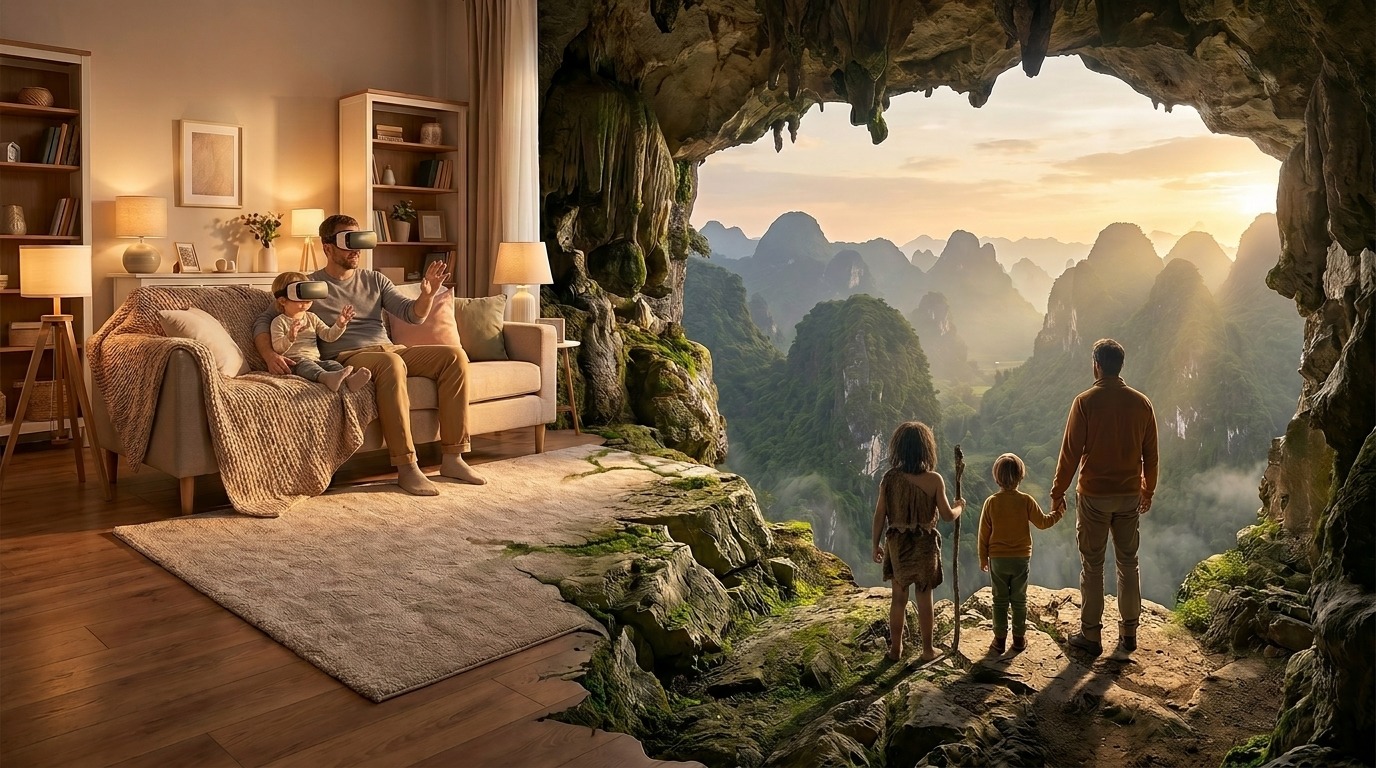
Liang Tebo is one of the most remote and threatened places on Earth. The same expedition-grade LiDAR and photogrammetry that records it to the millimetre becomes the foundation of a fully explorable VR world.
Because the capture is geometrically exact and photoreal, the virtual cave matches the real one to scale, with every contour and ochre hand stencil where it sits in the rock. You stand where Tebo 1 stood.
From that digital twin, Visualskies rebuilds the world around it, the karst towers and the firelit chamber of 31,000 years ago, so the cave becomes a world you can move through, then and now.
And it runs on everyday headsets, so the most fragile, unreachable site on the planet becomes something a family, a classroom, or a museum anywhere can step inside, and a case for its protection.
01 · Capture
Recorded to the millimetre
Terrestrial LiDAR and drone photogrammetry fuse into a millimetre-accurate, fully coloured 3D archive of the cave and its art, built to outlast the cave itself.
02 · World
The whole world, not one room
From the scan, the surrounding karst, river, and rainforest are rebuilt, so you explore Tebo 1’s whole landscape, not just the burial chamber.
03 · Home
Yours, anywhere
Built for consumer headsets, it brings this remote, threatened place into any living room, classroom, or museum on Earth.
More than an experience
A tool with a purpose.
In classrooms and museums, it teaches what these caves reveal about being human. In the hands of the Dayak custodians and the scientists beside them, it becomes advocacy: a way to put policymakers inside a place almost none will ever reach, so the case for protecting this karst is something they can feel, not just read in a report.
Dayak custodians and Indonesian officials experience the cave together. Concept image.
Concept visualization.
The Catalyst Film · 25 Minutes
31,000 years later, the story begins again.
Days upriver, past the last road and the last bar of signal, a team returns to Liang Tebo to launch the modern telling of the oldest known act of care on Earth.
The 25-Minute Documentary · The Follow-Doc
The film that sets it all in motion.
Thirty-one thousand years ago, in this cave, a community made the oldest known choice to care for one of its own, performing the earliest successful surgery on Earth and then carrying the child who survived it for a decade afterward. This 25-minute documentary is where the modern telling starts.
The short is built to open a door. In twenty-five minutes it shows what this story can become, and the world that a feature film, a VR experience, a traveling exhibition, and a conservation movement will all grow from.
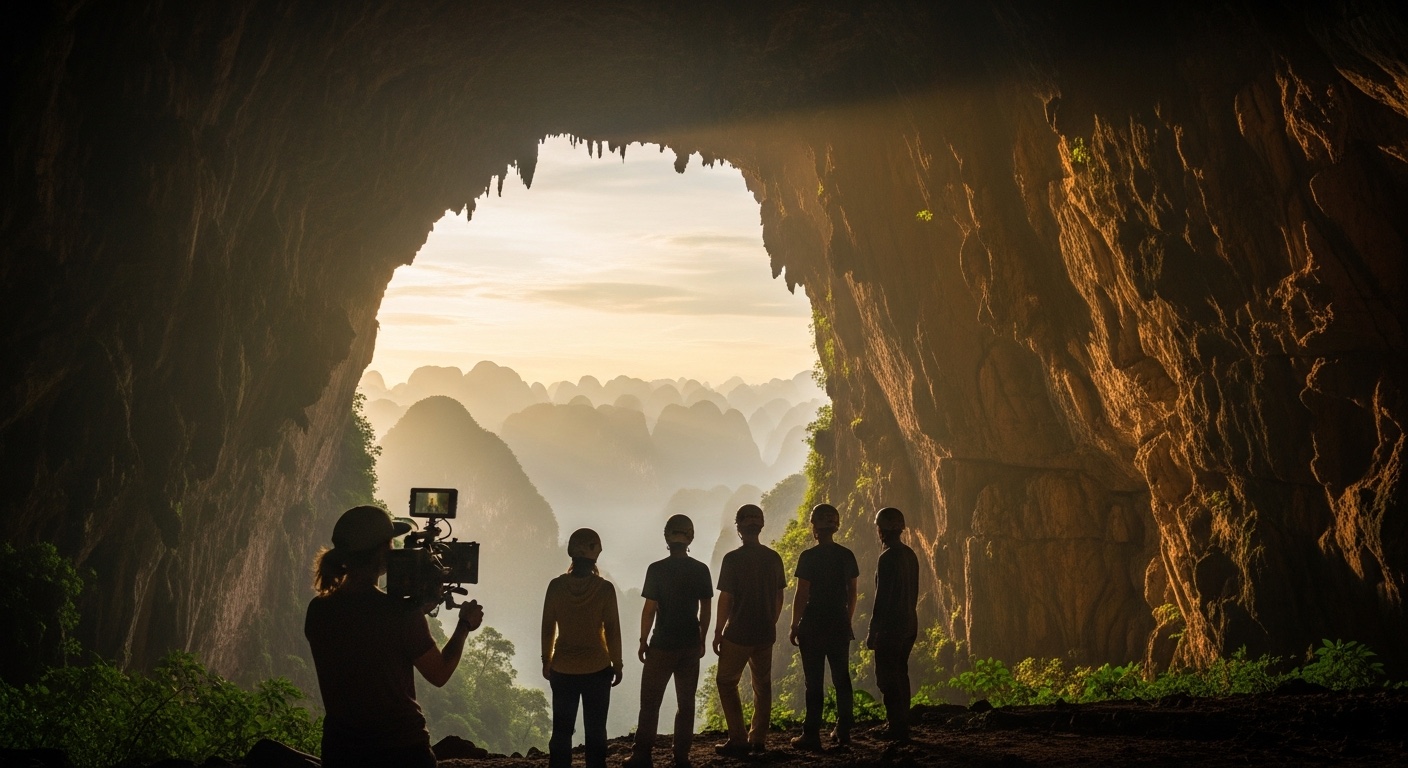
Backed by a National Geographic grant, an expedition brings together Explorer Dr. Albert Lin, Prof. Maxime Aubert and his scientists, an award-winning film crew, and the spatial-capture studio Visualskies, days upriver into the Sangkulirang–Mangkalihat karst, beyond roads or rescue, to a cave the modern world has barely touched.
On the days-long journey upriver to Liang Tebo, the crew films every mile of the way in. Concept visualization.
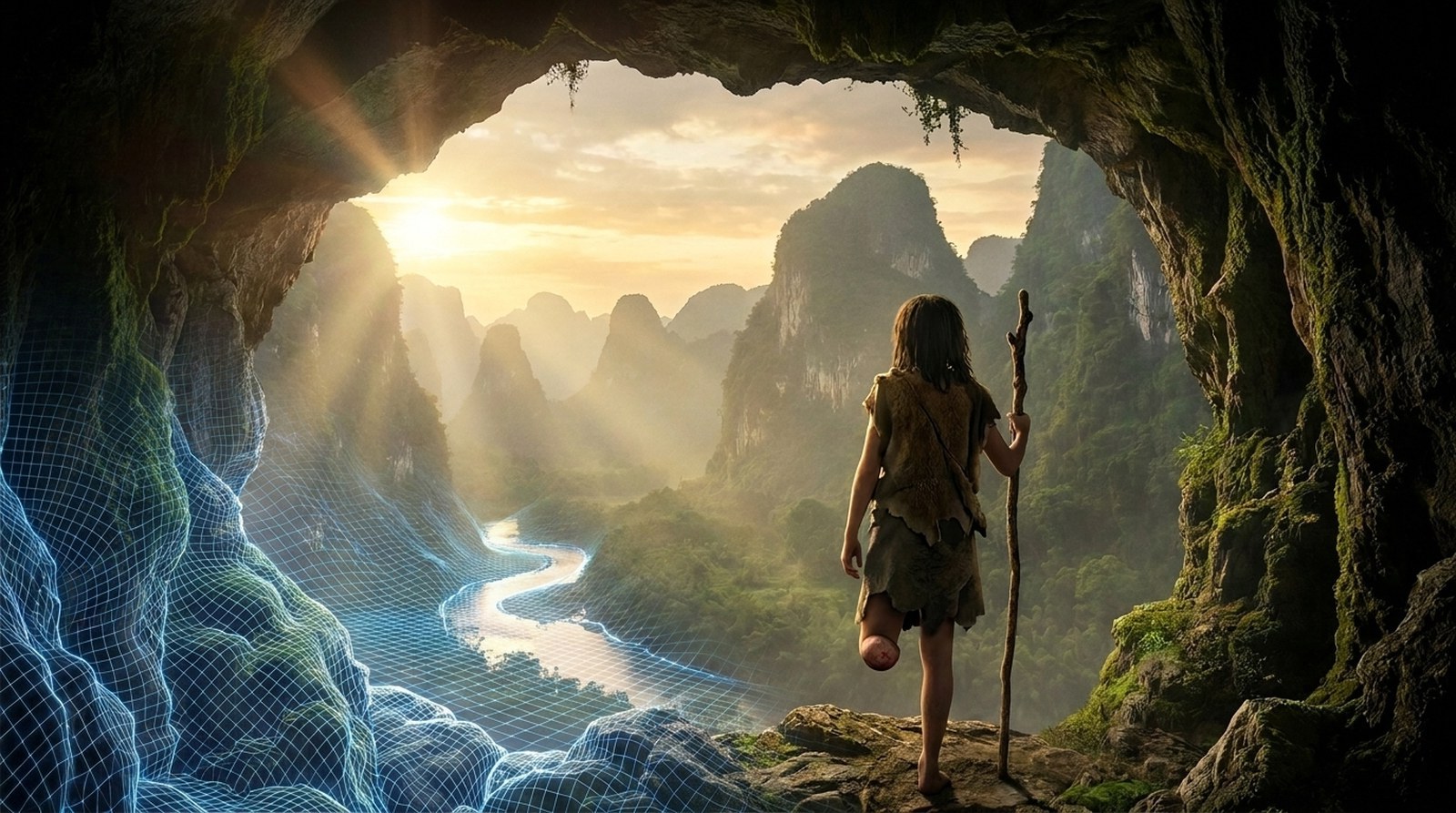
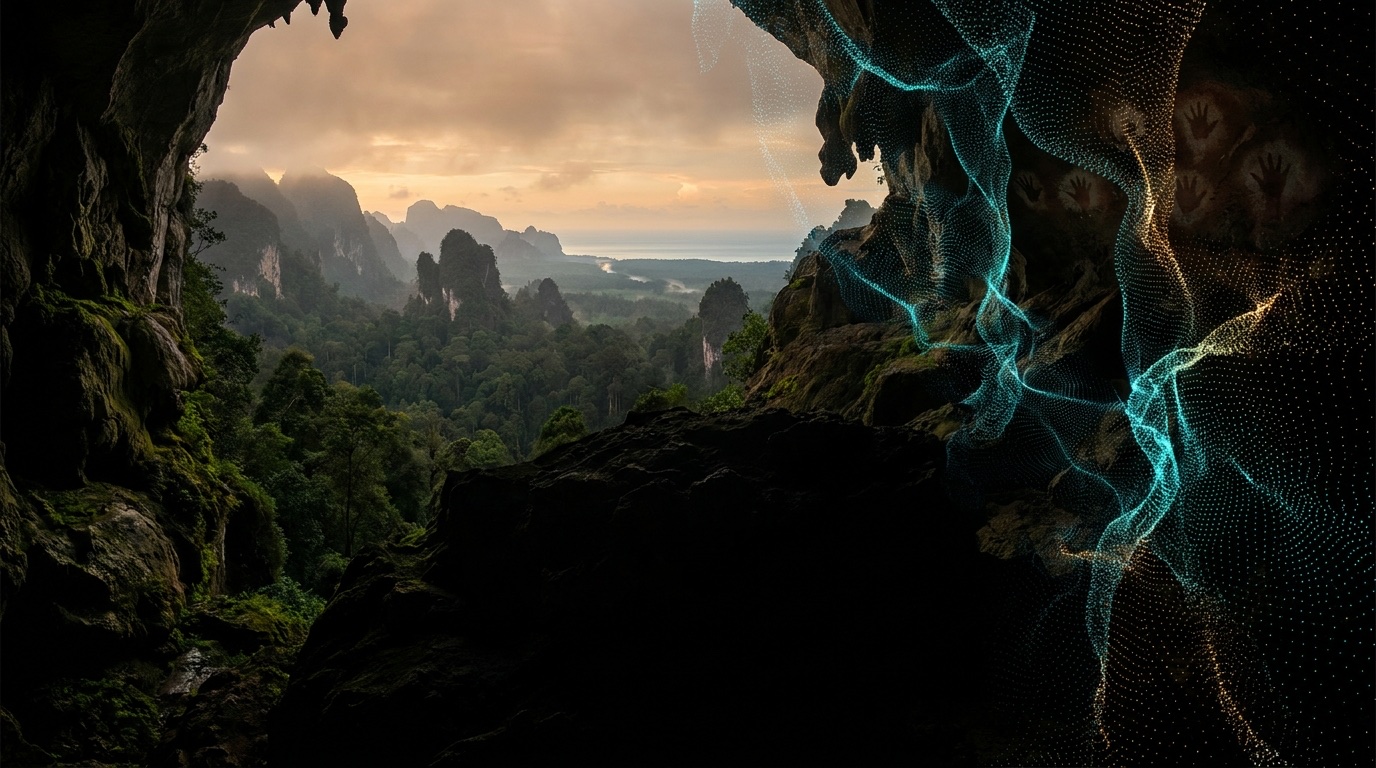
At its heart is a new way of seeing. As Visualskies captures Liang Tebo in ultra-photorealistic LiDAR, the living scan dissolves the real cave into the firelit world of 31,000 years ago, and back again. It is a cinematic language built from the data itself, the same capture that will let anyone step inside the cave in VR.
And it is urgent. The karst that guards Liang Tebo is vanishing to logging, mining, and fire, and this may be the last window to record it.
Why This Film Is Critical
The First Chapter
It launches the modern storytelling arc of Tebo 1, the proof that unlocks the feature film, the VR world, and the traveling exhibition that follow.
The Last Window
It may be the final chance to capture Liang Tebo and its hand stencils before the forest falls, an archive in millimetre detail that will outlast the cave itself.
A New Way to See
The LiDAR portal: a cinematic language for moving between today and 31,000 years ago, and the foundation of the immersive experiences still to come.
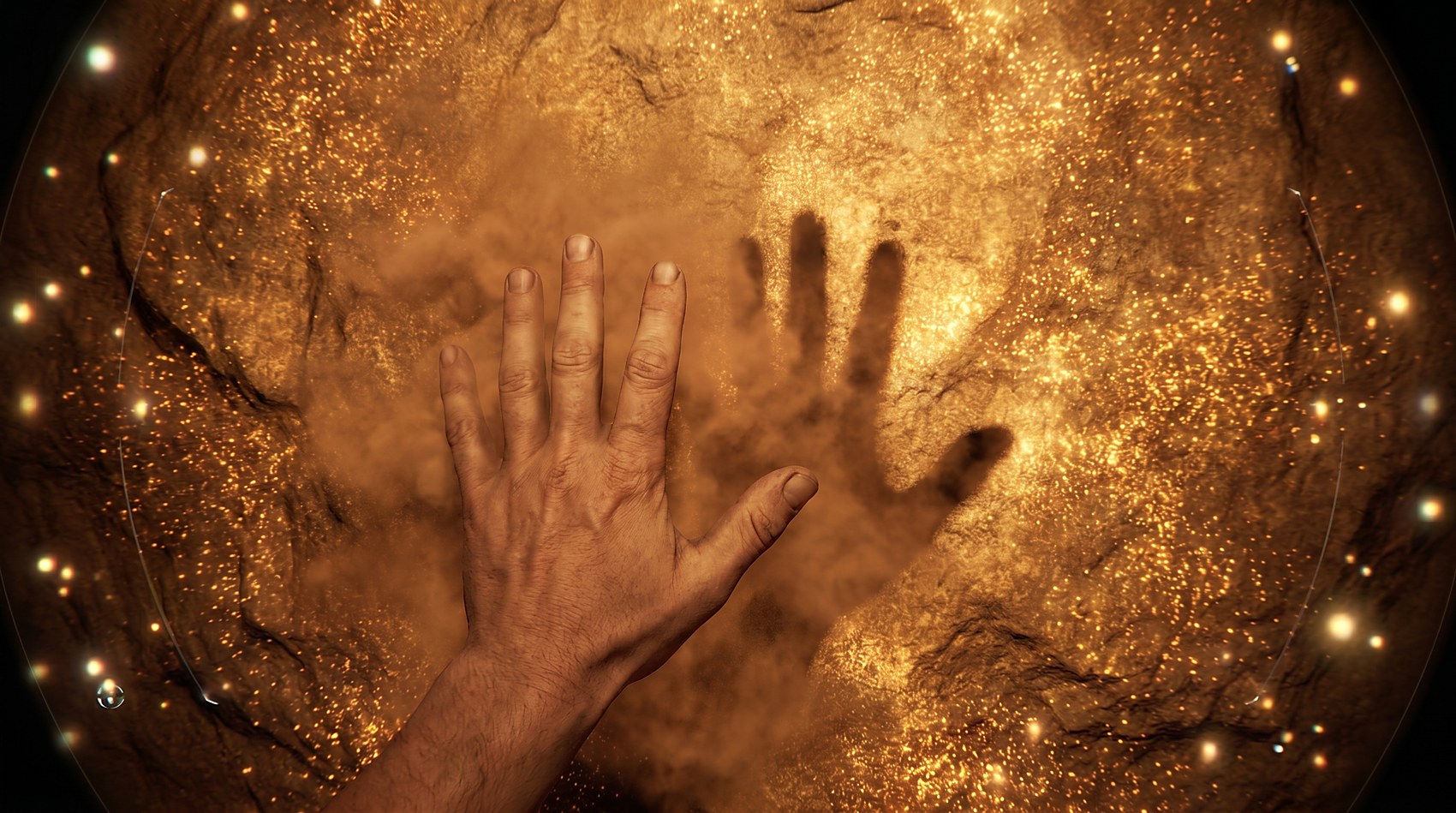
A living hand meets a 31,000-year-old one, blown in ochre on the same stone. Concept visualization.
This is a cave of firsts: the oldest known surgery, some of the oldest figurative art, and the edge of humanity's first ocean crossings.
How We Work
Filmed with the region, not about it.
The documentary is made under Indonesian research permits with BRIN and alongside the Dayak custodian communities of the Sangkulirang–Mangkalihat karst. We follow the principles of the United Nations Declaration on the Rights of Indigenous Peoples: free, prior, and informed consent before we film, credit for community knowledge, and the right of communities to shape how their culture, their land, and their ancestors appear on screen. What we make is screened in-region first.
A story by TEBO1 Entertainment, inspired by the findings at Liang Tebo.
The Story
One of the earliest stories of human care ever found.
31,000 years ago, in a cave in the mountains of Borneo, a community chose to save one of its own, and changed what we know about being human.
The Discovery
A skeleton that rewrote the human story.
The real 31,000-year-old skeleton from Liang Tebo. The lower leg and foot were surgically amputated and fully healed: the oldest known evidence of successful surgery.
The Project · November 2026
Returning to Liang Tebo.
A field season to scan the cave and explore the unmapped karst beyond it, with science and storytelling moving together from the first river mile to the last scan.
Forest canopyLiDAR · caves revealed
The Technology
Drag to strip the forest, reveal the caves.
Expedition-grade LiDAR sees through the canopy to bare limestone, surfacing cave mouths no one has entered, and records Liang Tebo in photoreal 3D to share with the world.
The Documentary
The story, filmed on location.
A 25-minute documentary of the November expedition, the proof of concept that seeds everything that follows.
Immersive VR
Step inside the cave.
A fully explorable virtual world built from the scan, carrying the most remote place on Earth into any living room, classroom, or museum.
The Exhibition
Carrying care into the city.
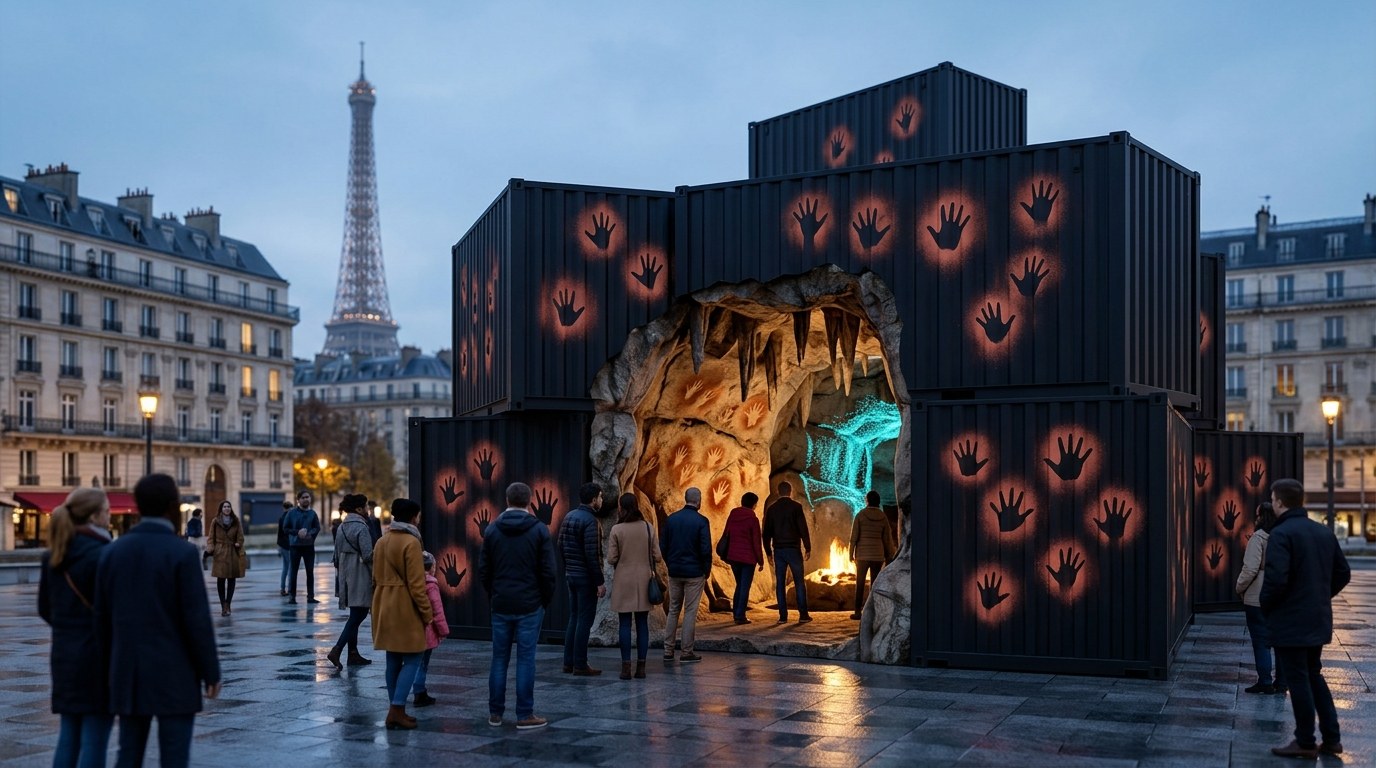
A traveling pavilion of shipping containers, a walk-in cave set down in city plazas from New York to Borneo.
The Ask
Lifting the most iconic story never told.
Join us in carrying humanity’s first act of care out of the deep past and into the world.